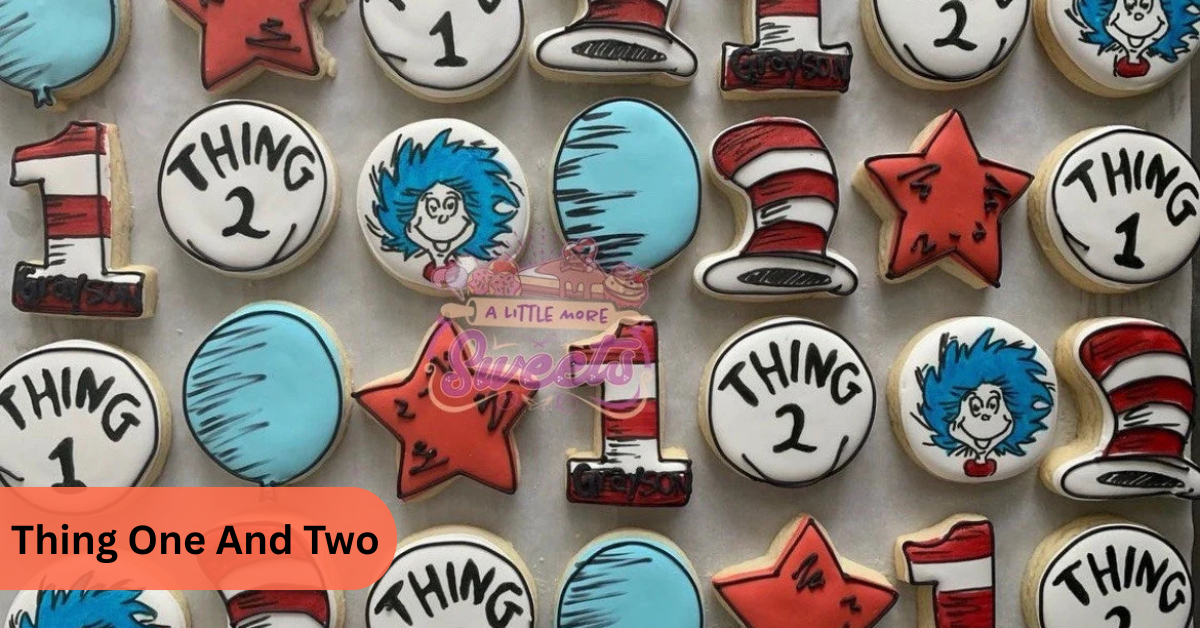
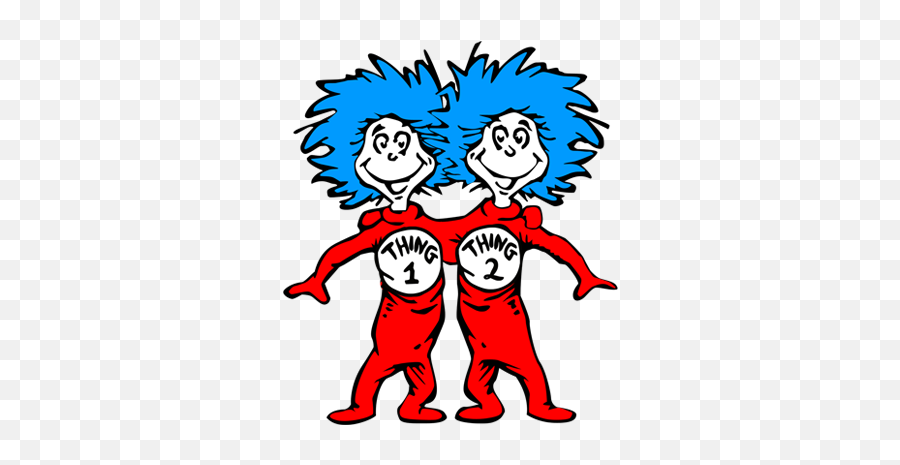
Thing One and Thing Two are playful, mischievous characters from Dr. Seuss’s famous book The Cat in the Hat. They wear identical red jumpsuits and have blue hair, often causing chaos and fun wherever they go. Their silly antics represent childhood mischief, but they also bring energy, laughter, and excitement to the story.
I remember reading The Cat in the Hat as a kid, and Thing One and Thing Two always made me laugh with their wild energy. Even now, they remind me of the fun chaos siblings or friends can bring into life.
In This Article, We Discuss About “Thing One And Two”
The Origin of Thing One and Thing Two:
First Appearance in The Cat in the Hat:
Thing One and Thing Two made their debut in Dr. Seuss’s The Cat in the Hat in 1957, bursting out of the box the Cat carried into the children’s home. Their arrival instantly transformed a dull, rainy day into chaos and laughter. With wild blue hair and endless energy, they became unforgettable symbols of fun and mischief in children’s literature.
Dr. Seuss’s Creative Process:
Dr. Seuss’s creative process behind Thing One and Thing Two was rooted in simplicity and imagination. Instead of giving them complex names or identities, he labeled them as “things,” leaving space for children’s minds to imagine. This playful vagueness allowed them to embody pure mischief and fun, making them timeless characters.
What Are Thing 1 and Thing 2 Supposed to Be?
Mischief Without Labels:
Thing One and Thing Two are deliberately left undefined by Dr. Seuss—they are not animals, humans, or even magical creatures, but simply “things.” This lack of labels allows them to embody pure mischief without being tied to identity or form. Their chaotic energy reminds readers that sometimes fun exists beyond definitions, rules, and categories.
Philosophical Interpretation:
Dr. Seuss left Thing One and Thing Two undefined to show that labels are not always necessary. Their actions playfulness, chaos, and energy define who they are more than any title could. This reflects a deeper philosophy that identity comes from behavior, not from names.
The Functions of Things One and Two in the Narrative:
Chaos and Excitement:
Thing One and Thing Two bring instant chaos wherever they go, filling the story with uncontrollable laughter and mess. Their wild behavior symbolizes the boundless energy of childhood, where rules are often forgotten in the name of fun. While their antics disrupt order, they also remind us of the joy that comes from letting loose.
Balance Between Fun and Responsibility:
Thing One and Thing Two highlight the delicate balance between enjoying freedom and respecting boundaries. While their antics bring laughter and excitement, they also create chaos that must eventually be cleaned up. Dr. Seuss cleverly uses them to teach children that fun is valuable, but responsibility is just as important.
Symbolism Behind Thing One and Thing Two:
Imagination and Freedom:
Thing One and Thing Two embody the limitless imagination that children naturally have. Their unpredictable antics show what happens when creativity is allowed to run wild without boundaries. Through them, Dr. Seuss reminds us that true freedom often lies in embracing playfulness and thinking beyond rules.
The Inner Child:
Thing One and Thing Two remind us of the playful spirit we often leave behind in adulthood. Their wild energy and carefree nature symbolize the importance of reconnecting with joy, curiosity, and spontaneity. They show that keeping our inner child alive helps us embrace life with wonder and imagination.
Thing One and Thing Two in Popular Culture:
Movies and TV:
Thing One and Thing Two have appeared in several adaptations of Dr. Seuss’s The Cat in the Hat, including animated specials and the 2003 live-action film starring Mike Myers. In these versions, their playful chaos is exaggerated with more visual gags and slapstick comedy, making them even more entertaining for children. Their on-screen appearances have helped cement their place in popular culture, keeping Seuss’s mischievous creations alive for new generations.
Merchandise and Costumes:
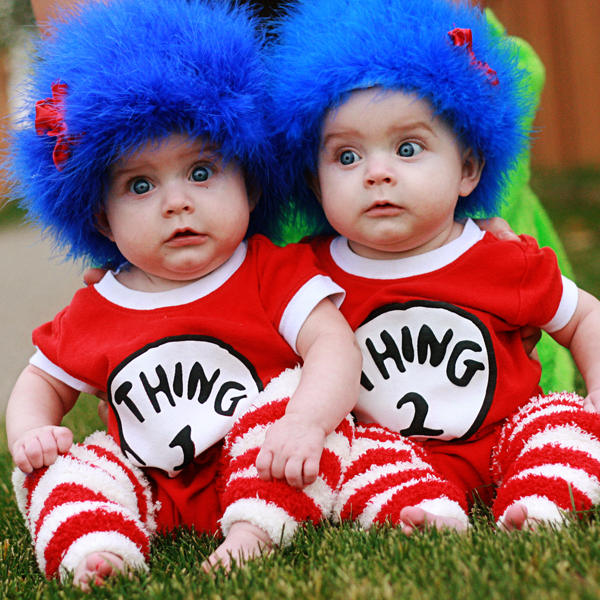
Thing One and Thing Two have become popular in the world of merchandise, from plush toys and mugs to themed party supplies. Their bright red suits and blue hair make them a favorite choice for Halloween and school events. These costumes let kids and adults alike step into the playful chaos of Dr. Seuss’s world.
Educational Value of Thing One and Thing Two:
Teaching Morals Through Mischief:
Thing One and Thing Two may seem like pure troublemakers, but their playful chaos teaches kids an important lesson that every action has consequences. Through their wild antics, children learn that fun is valuable, but it must always be balanced with responsibility. In this way, Dr. Seuss cleverly hides moral lessons within the laughter and mischief.
Inspiring Creativity in Kids:
Thing One and Thing Two spark curiosity by showing kids that imagination has no limits. Their playful chaos inspires children to invent stories, create games, and think outside the box. Through their antics, young readers learn that creativity often begins with a little mischief and fun.
Gender and Identity of Thing One and Thing Two:
Gender-Neutral Characters:
Dr. Seuss never gave Thing One and Thing Two a defined gender, which makes them completely open to interpretation. This gender-neutral identity allows children of all backgrounds to relate to them without limitation. Their playful personalities matter more than labels, making them timeless and universally loved characters.
Why It Matters Today:
In today’s world, characters like Thing One and Thing Two stand out because they are gender-neutral and open to interpretation, making them inclusive for every child. Their playful identity shows that kids don’t need labels to enjoy stories or relate to characters. This timeless freedom keeps them relevant across generations, encouraging creativity and imagination without boundaries.
Fun Facts About Thing One and Thing Two:
Hair Color Symbolism:
The bright blue hair of Thing One and Thing Two is more than just a fun design choice it symbolizes energy, creativity, and wild imagination. Blue is often linked with freedom and open skies, reflecting their boundless, untamed nature. Their hair makes them instantly recognizable, turning them into timeless icons of playful chaos.
Seuss’s Original Sketches:
The earliest drawings of Thing One and Thing Two date back to 1957 when Dr. Seuss was shaping The Cat in the Hat. These rough sketches captured their playful energy confident, wild, and full of motion even before the final book illustrations. Today, those sketches are preserved in limited-edition art prints, offering fans a rare glimpse into Seuss’s creative process.
Life Lessons From Thing One and Thing Two:
Embracing Playfulness:
Thing One and Thing Two remind us that life isn’t only about rules and routines it’s also about joy and laughter. Their wild energy encourages children (and even adults) to let go, explore freely, and embrace creativity. By celebrating playfulness, Dr. Seuss shows that fun is an essential part of learning and growing.
The Importance of Balance:
Thing One and Thing Two remind us that while play and imagination are essential, too much chaos can lead to problems. Their antics highlight the need for boundaries, showing kids that fun should go hand-in-hand with responsibility. This balance is what makes their story both entertaining and meaningful.
Why Thing One and Thing Two Remain Timeless:
Appeal Across Generations:
Thing One and Thing Two hold a special charm for both children and adults. Kids are drawn to their playful energy and silliness, while adults see deeper lessons about imagination, balance, and responsibility. This dual appeal has allowed them to remain timeless figures in literature and popular culture.
Enduring Legacy in Literature:
Thing One and Thing Two have become timeless figures in children’s literature, embodying the spirit of playful chaos and imagination. Their presence in The Cat in the Hat continues to inspire new generations of readers while also sparking academic discussions about symbolism and creativity. Even decades later, they remain cultural icons whose impact extends far beyond the pages of Dr. Seuss’s classic.
Conclusion:
Thing One and Thing Two are more than just mischievous sidekicks—they are timeless symbols of childhood imagination, freedom, and playful chaos. Dr. Seuss brilliantly crafted them without labels, allowing readers of all ages to see themselves in their boundless energy. Over the decades, they have inspired lessons about balance, responsibility, and the joy of keeping one’s inner child alive. From books and films to costumes and cultural references, their legacy continues to thrive, proving that fun and creativity never go out of style.
FAQs
1. What are Thing 1 and Thing 2 supposed to be?
Thing 1 and Thing 2 are mischievous characters introduced by Dr. Seuss in The Cat in the Hat (1957). They are not based on real animals or humans but serve as whimsical, childlike beings who embody chaos, imagination, and playfulness. Their main purpose in the story is to create an uproar, testing how children react when rules and order are disrupted. Dr. Seuss used them as a clever storytelling device to balance the Cat’s charm with the tension of disorder.
2. What does Thing 1 and 2 say?
In the original book, Thing 1 and Thing 2 don’t speak in full sentences. Instead, they express themselves through laughter, playful exclamations, and non-verbal actions. This lack of dialogue makes them universal characters—kids anywhere can understand their wildness without needing words. In film adaptations, however, they are sometimes given playful sounds or comic expressions to amplify their personalities.
3. What creatures are Thing 1 and Thing 2?
Dr. Seuss never defines their species, leaving them intentionally ambiguous. They look like small humanoid figures with exaggerated blue hair, dressed in identical red jumpsuits marked with “Thing 1” and “Thing 2.” Their design highlights Seuss’s signature style—characters that are part human, part cartoon, and entirely imaginative. They embody the idea that kids’ imaginations can invent characters that don’t need labels.
4. What is the moral of Thing 1 and Thing 2?
Thing 1 and Thing 2 illustrate the importance of responsibility alongside fun. Their antics show how chaos, while entertaining, can spiral out of control if left unchecked. By the story’s end, the Cat takes responsibility for cleaning up the mess, teaching children that while play is important, tidying up and making things right afterward is equally valuable. The moral also resonates with parents, emphasizing balance in childhood freedom.
5. What gender are Thing 1 and Thing 2?
Dr. Seuss never specifies the gender of Thing 1 and Thing 2, and that’s intentional. They are genderless, universal figures who represent personality traits rather than physical identity. This makes them more inclusive and accessible to children of all backgrounds. Their lack of gender has also helped them remain timeless icons in children’s literature, since they’re defined by action and energy, not stereotypes.
6. Is there a thing 3 in Cat in the Hat?
Officially, no—Dr. Seuss only created Thing 1 and Thing 2. However, the idea of a “Thing 3” has been used jokingly in pop culture and merchandise. Some fans have created their own versions of Thing 3 in fan art, parodies, and classroom activities. The idea sticks because people enjoy imagining how much more chaotic another “Thing” might be if added to the mix.
7. What color is Thing 1 and Thing 2 hair?
Thing 1 and Thing 2 are famous for their bright, frizzy blue hair. This design choice is not random—Dr. Seuss loved using bold primary colors that appealed to children. Their blue hair, paired with their red jumpsuits, creates a visually striking and memorable contrast. The wildness of their hair also mirrors their personalities—untamed, energetic, and free-spirited.
8. Has Thing 1 appeared in any movies?
Yes, both Thing 1 and Thing 2 have been adapted for television and film. They appear in the 1971 animated TV special The Cat in the Hat and the 2003 live-action film starring Mike Myers. In these adaptations, they are shown as wacky sidekicks with exaggerated movements, often used for slapstick comedy. They remain fan favorites because their mischievous energy translates well on screen.
9. What do Thing 1 and Thing 2 fly?
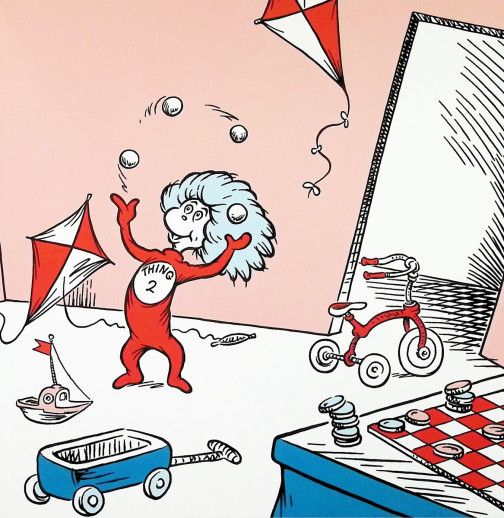
One of their most iconic actions is flying kites inside the house, which creates mayhem in the story. Their kite-flying scene symbolizes the chaos of doing fun things in the wrong place. It’s an exaggerated version of what happens when kids play indoors without rules, making it both funny and relatable. This scene has become one of the most memorable images from The Cat in the Hat.
10. Is the car in the hat movie 2026?
Currently, there is no confirmed Cat in the Hat movie scheduled for 2026. The most famous film version remains the 2003 live-action movie. However, Dr. Seuss stories are often revisited, and new adaptations are frequently rumored, especially since Illumination (the studio behind The Lorax and The Grinch) has rights to Seuss’s works. While a 2026 release isn’t official yet, fans still hope to see Thing 1 and Thing 2 on the big screen again in the future.
Read more
How Much Juice Is In One Lime—A Complete Guide!
Skip the Games – Complete Guide for Users
555 Angel Number Meaning—A Complete Spiritual Guide!