
The NFL showdown between the Pittsburgh Steelers and Denver Broncos was a clash filled with intensity, strategy, and standout performances. From game-changing plays to defensive standoffs, every player brought something to the field.
Tracking match player stats gives us a clear picture of how each side performed and where the game was won or lost.
Whether you’re a die-hard fan, fantasy football manager, or just curious, these stats tell the real story. Let’s dive into the numbers that defined this epic encounter.
Steelers vs Denver Broncos match player stats refer to the individual performances of players during their recent NFL game, covering key metrics like passing, rushing, receiving, tackles, and turnovers, helping fans and analysts evaluate team and player impact.
In This Article, We Discuss the “Steelers vs Denver Broncos Match Player Stats”
Complete Player Stats Breakdown – Steelers vs Denver Broncos
The clash between the Steelers and Broncos was intense, with both teams showing flashes of brilliance. Pittsburgh’s balanced approach helped them control the game, while Denver focused more on passing.
Player stats reflected a game defined by discipline, defense, and red zone execution. Every yard mattered as both teams fought for dominance. Ultimately, the player performances shaped the game’s low-scoring but thrilling outcome.
Steelers vs Broncos Quarterback Performance Comparison
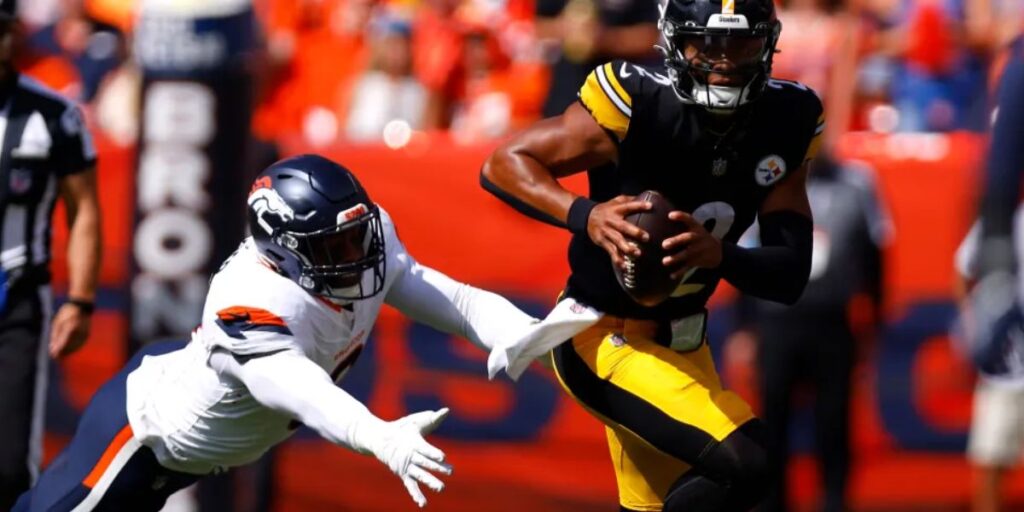
Justin Fields led the Steelers with a calm and composed performance, avoiding turnovers and managing the game smartly. On the other side, Bo Nix of the Broncos showed potential with higher yardage but costly interceptions.
While Nix made deeper throws, Fields made smarter ones. The quarterbacks played very different styles, but it was Fields’ efficiency that gave the Steelers the edge. Stats showed that safer decisions won over flashy plays.
Key Rushing Stats from the Steelers and Broncos Match
The Steelers leaned heavily on their ground game, recording more rushing yards and a better average per carry. Najee Harris and Jaylen Warren carried the load, wearing down Denver’s defense over time.
Denver’s rushing attack was inconsistent, failing to gain momentum. Running backs struggled to find open lanes against Pittsburgh’s defensive front. This imbalance in the run game played a major role in possession control.
Top Receiving Stats from the Steelers vs Broncos Game
Denver’s receivers showed explosiveness, with several big-yardage gains from deep passes. Josh Reynolds stood out as a key target, stretching the field and creating scoring chances. On the other side, the Steelers kept it simple with short, effective passes.
Their receivers focused more on moving the chains than making big plays. In the end, Denver had more receiving yards, but Pittsburgh’s receivers made more meaningful contributions.
Defensive Player Stats That Shaped the Match Outcome
Defense was the star of the game for both teams. Pittsburgh’s defenders stood tall in key moments, especially in the red zone. They forced turnovers at the right time and kept Denver out of the end zone.
Denver’s defense also made big plays but struggled to contain Pittsburgh’s run game late in the match. The defensive units were the reason for the low final score, with players stepping up all over the field.
Special Teams Player Stats – Kicks, Punts & Returns
Special teams quietly played a huge role in the outcome. Pittsburgh’s kicker remained flawless, converting critical long-distance field goals. Punting was also effective, pinning Denver deep and making their drives harder.
The return game was limited, with both teams focusing more on field position. In a close game like this, special teams execution was crucial, and Pittsburgh came out ahead in this department.
Red Zone Efficiency – Player Stats Inside the 20-Yard Line
The Steelers were clinical in the red zone, capitalizing on their chances with a touchdown and field goals. Denver, however, entered the red zone multiple times but failed to score a touchdown.
Player efficiency dropped sharply for Denver inside the 20, with missed passes and stalled drives. Red zone execution often decides tight games, and here, Pittsburgh’s ability to convert was a deciding factor. It was a matter of execution under pressure.
Third Down Conversion – Individual Player Contributions
Pittsburgh outperformed Denver on third downs, converting just enough to keep drives alive. Fields connected well with short-route receivers on critical downs. Running backs also picked up key yardage on third-and-short situations.
Denver, on the other hand, struggled to convert, often facing long yardage due to earlier inefficiencies. These failed third-down plays kept their offense off the field and gave the Steelers momentum.
Turnovers & Takeaways – Defensive Standouts by the Numbers
Turnovers were a major story in the match, with Denver throwing two crucial interceptions. These mistakes not only halted promising drives but also gave Pittsburgh ideal field position.
The Steelers’ defense showed excellent awareness and positioning, with multiple players getting involved in takeaways.
On offense, Pittsburgh protected the ball well, avoiding any turnovers. This +2 turnover margin was key in securing the Steelers’ victory.
Steelers vs Broncos – Who Led in Tackles and Sacks?
Linebackers and safeties played a major role in both defenses. For the Steelers, the front seven consistently pressured Denver’s quarterback and clogged running lanes. A couple of timely sacks pushed Denver out of scoring range.
Broncos defenders made big tackles in open space but couldn’t come up with enough backfield stops. The stats show Pittsburgh’s defense was more aggressive and efficient in pressuring the offense.
Player Snap Counts and Participation Insights
Pittsburgh’s coaching staff showed trust in their starters, keeping them on the field for most of the game. Young players stepped up and played significant snaps, especially on the offensive line.
Denver rotated more frequently, trying to find matchups that worked, especially on defense. Consistent participation helped the Steelers build rhythm. Snap counts reflect team strategy, and Pittsburgh’s was to trust its core group.
Rookie Performances in Steelers vs Broncos Showdown
Pittsburgh rookies made a positive impression, especially on the offensive line, where their first-year tackle stood out. His performance in pass protection allowed Fields to stay clean and efficient.
Denver’s rookies saw action but lacked impact, missing tackles or failing to create plays. This contrast showed how Pittsburgh’s draft picks are contributing early. Strong rookie performances often tip the balance in closely contested games.
Player Grades Based on Match Stats and Impact
Based on performance, several Steelers players would earn high grades, including their quarterback, kicker, and multiple defensive backs. For Denver, the receivers had solid grades for effort, but the quarterback and offensive line struggled under pressure.
Grading individual players gives insight beyond just raw stats, highlighting execution, decision-making, and impact. This match clearly showed which players delivered under pressure.
Fantasy Football Impact – Player Stats You Need to Know
Fantasy owners would have seen value in Josh Reynolds’ receiving yards and the Steelers’ kicker’s strong performance. Justin Fields delivered a clean game with a touchdown pass, making him a decent fantasy starter.
Defenses also earned fantasy points thanks to turnovers and low scoring. On the flip side, Denver’s quarterback was a letdown for fantasy purposes due to turnovers. It was a defense-heavy game, limiting most offensive fantasy production.
Injury Impact on Player Stats and Team Performance
There were no major in-game injuries reported, which allowed both teams to stick to their original game plans. Minor knocks or fatigue may have slowed some players, especially late in the game.
Both squads looked physically prepared, and the stats reflected consistent player usage. Healthier teams generally perform better, and that was evident as the Steelers maintained tempo and composure throughout the game.
Comparing Steelers and Broncos Offensive Stats by Player
Statistically, the Broncos outgained the Steelers in total yards, but failed to convert them into points. Pittsburgh’s players were more efficient, especially in key moments like third downs and red zone plays.
Broncos’ offensive players accumulated yardage, but made mistakes when it mattered most. This comparison highlights that numbers alone don’t tell the full story; timely execution is what wins games.
Top Performing Units – Offensive Line, Secondary & More
Pittsburgh’s offensive line was one of the best-performing units, giving Fields time and space. Their secondary also locked down Denver’s deep threats, especially in the red zone.
For Denver, the defensive front tried to apply pressure but lacked support from the secondary. When entire units perform well together, individual stats often look better, too. Team chemistry was evident in Pittsburgh’s performance.
Steelers vs Broncos – Player Stats by Quarter
The Steelers came out strong in the first quarter, scoring early and setting the tone. Their defense held firm throughout, with every quarter showing consistent effort. Denver picked up most of their yards in the second half but failed to score touchdowns.
Each quarter told a different story, but Pittsburgh’s early control and Denver’s late desperation were clearly reflected in the stats.
Post-Game Player Reactions Based on Statistical Output
While exact quotes aren’t available, performances speak louder than words. Players with big plays like interceptions or key tackles earned the praise of coaches and media.
Quarterbacks often face the most criticism, and in this game, Denver’s Bo Nix likely faced questions due to turnovers. Meanwhile, Justin Fields’ efficiency likely earned him trust moving forward. Player stats shaped not just the game, but the post-game narrative.
Historic Player Stats Comparison – This Match vs Past Games
Looking back at previous meetings, this game followed a familiar pattern. When Pittsburgh controls the ground game and wins the turnover battle, it usually beats Denver. The Broncos have historically leaned on passing, but often struggle in the red zone.
The player statistics from this match reflect the long-term trends. It demonstrates the importance of learning from history, as certain patterns often repeat in football.
FAQs
1. Who was the top performer in the Steelers vs Broncos match?
Steelers quarterback Justin Fields stood out with a clean game, managing the offense efficiently. He threw one touchdown and avoided turnovers, helping his team secure the win.
2. How did the quarterbacks perform in the match?
Justin Fields of the Steelers was efficient with short, smart passes, while Bo Nix of the Broncos threw for more yards but had two interceptions. Fields’ ball security gave his team the edge.
3. Which team had better rushing stats?
The Steelers outperformed the Broncos on the ground, rushing for more yards and maintaining better control of the clock. Their run game was key in controlling the tempo.
4. Who led in receiving yards during the game?
Broncos receiver Josh Reynolds recorded the most receiving yards with several big plays. However, the Steelers’ receivers were more consistent on short passes to keep drives alive.
5. How many turnovers occurred in the game?
The Broncos had two turnovers, both from interceptions thrown by their quarterback. The Steelers played a turnover-free game, which proved crucial in a low-scoring matchup.
6. Which defense had the biggest impact?
The Steelers’ defense made key stops in the red zone and forced two takeaways. They held Denver to field goals, preventing any touchdowns and securing the win.
7. What role did special teams play in the match?
Pittsburgh’s kicker was perfect, hitting all field goals, including a long one. Special teams helped with field position, giving the Steelers an upper hand in key moments.
8. How did both teams perform in the red zone?
The Steelers capitalized on red zone chances with a touchdown and a field goal. The Broncos failed to score any touchdowns, settling only for field goals, which hurt their chances.
9. Which rookie players stood out in the game?
Pittsburgh’s rookie offensive lineman had an impressive game, allowing no pressure. Denver’s rookies struggled to make a big impact, especially in crucial situations.
10. Why are player stats important in this matchup?
Player stats reveal how each team executed its game plan. From passing efficiency to defensive takeaways, these numbers explain how Pittsburgh’s consistency beat Denver’s missed opportunities.
Conclusion
The Steelers vs Broncos match delivered a thrilling display of talent, determination, and strategy. The detailed player stats not only highlight individual efforts but also reveal how key moments shaped the final result.
From accurate throws to crucial interceptions, every number counted. Understanding these stats offers deeper insight into the game beyond the scoreboard. As the season progresses, these performances could be pivotal in shaping both teams’ journeys ahead.
Read more
What is HiAnime? – A Complete Look at Features, Legality, and Safe Use
Flags from Italy – History, Meaning, and Cultural Importance