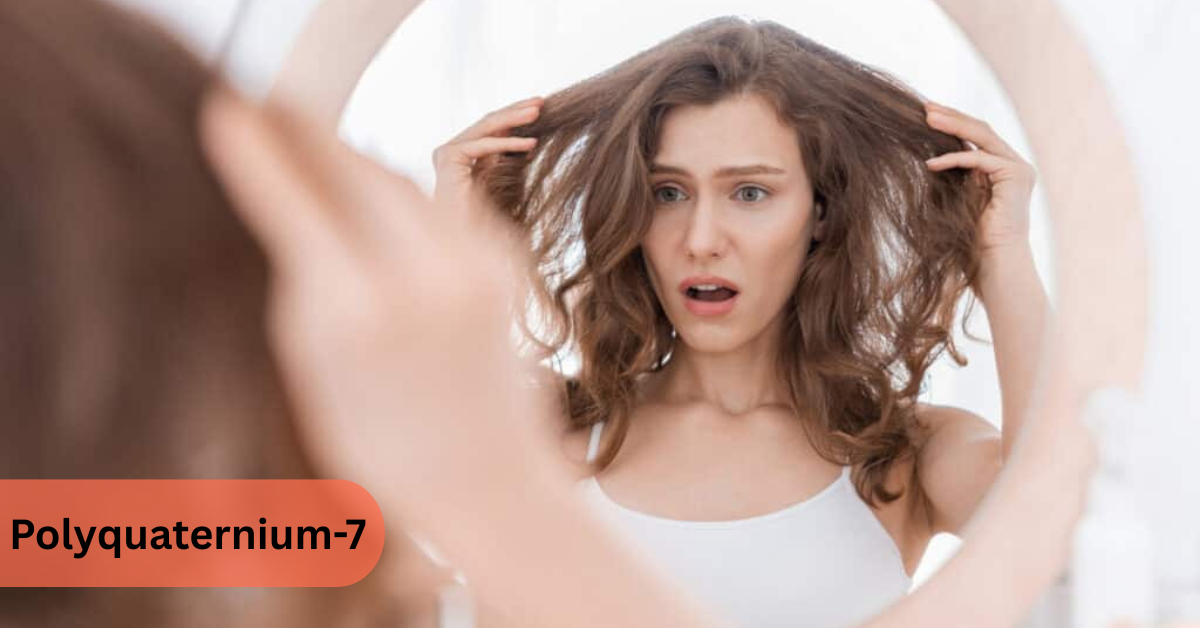
Polyquaternium-7 is a water-soluble conditioning agent commonly used in shampoos, conditioners, and styling products. It helps reduce frizz, improve softness, and add slip, making hair easier to detangle. Additionally, it forms a thin protective film that locks in moisture without leaving buildup.
I tried a conditioner with polyquaternium-7, and it made detangling my hair so much easier without leaving buildup. It also gave my hair a smooth finish and reduced frizz even in humid weather.
Why Is Polyquaternium-7 Used in Cosmetics and Hair Care?
Polyquaternium-7’s conditioning, anti-static, and film-forming qualities make it a common ingredient in hair care and cosmetic products. It lessens frizz and makes it simpler to comb and style hair by smoothing the cuticle.
By creating a lightweight coating, it adds softness and shine without weighing hair down. In skincare, it provides slip and a silky after-feel, improving product texture. Overall, it enhances manageability, moisture balance, and the user experience in shampoos, conditioners, and cleansers.
1. Anti-Static Properties:
Have you ever noticed how your hair stands up in the winter or after using a plastic comb? That’s static electricity. Polyquaternium-7 neutralizes this charge, preventing flyaways and giving your hair a smoother appearance.
2. Film-Forming Ability:
When applied to hair, Polyquaternium-7 dries into a thin, invisible film that smooths out rough surfaces. This coating not only makes hair feel soft but also adds a protective layer against humidity, pollution, and styling damage.
3. Moisture Balance
Polyquaternium-7 reduces the ability of hair to absorb excess water from the environment. This is especially helpful in humid climates because it prevents frizz and helps your hairstyle last longer.
4. Slip and Detangling:
Tangled hair can be painful to manage. Thanks to its conditioning properties, Polyquaternium-7 reduces friction between hair strands, making it much easier to comb through knots without breakage.
The Science Behind Polyquaternium-7:
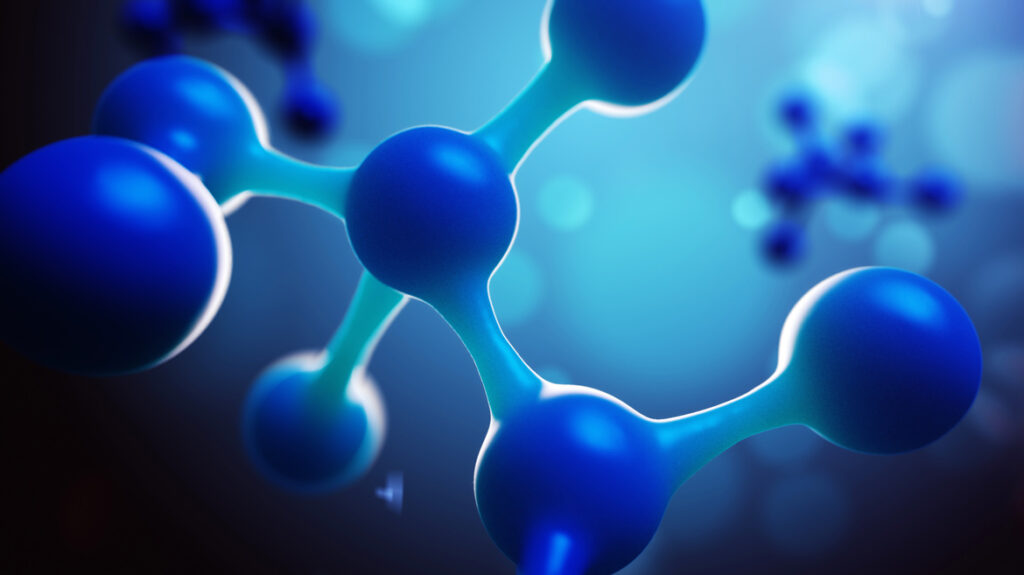
The unusual structure of Polyquaternium-7, a quaternary ammonium compound with a persistent positive charge, is the basis for its science.This cationic nature makes it strongly attracted to negatively charged hair and skin proteins, allowing it to bond tightly where hair is most damaged.
Once applied, it forms a lightweight, invisible film that smooths the cuticle, reduces static, and enhances softness. Unlike silicones, it is water-soluble, so it provides conditioning without weighing hair down heavily. This balance of strong adhesion and lightweight performance explains why Polyquaternium-7 is widely used in shampoos, conditioners, and styling products.
- Polyquaternium-7’s positive charge firmly attaches itself to negatively charged areas of damaged hair cuticles.
- Unlike silicones, which form a heavy coating, Polyquaternium-7 provides a lightweight layer that doesn’t weigh hair down.
- Because it is water-soluble, it rinses out more easily compared to silicones, although some buildup can still occur over time.
Safety and Cosmetic Ingredient Review (CIR) Findings:
Polyquaternium-7 has been thoroughly assessed by the Cosmetic Ingredient Review (CIR) Expert Panel, which has determined that it is safe to use at standard concentrations in cosmetics and personal care products. Studies showed it is not a skin irritant, sensitizer, or mutagen, though at very high levels it may cause mild, temporary eye irritation.
The panel also addressed concerns about acrylamide impurities, noting that their levels are extremely low and pose no toxicological risk. Importantly, Polyquaternium-7 does not show signs of carcinogenicity or developmental toxicity.Polyquaternium-7 is safe to use in shampoos, conditioners, cleansers, and styling products, according to CIR’s overall findings.
Key Safety Highlights:
- Skin Safety: Not a skin irritant or sensitizer when used at normal cosmetic levels.
- Eye Safety: At higher concentrations, it can cause mild eye irritation, but this clears within 24 hours.
- Toxicity: Not mutagenic, carcinogenic, or developmentally toxic.
- Impurities: Sometimes contains trace amounts of acrylamide, a known toxin. However, in Polyquaternium-7, the concentration is so tiny (≤10 ppm) that it poses no toxicological risk.
Benefits of Polyquaternium-7:
1. For Hair:
- Detangles easily → Perfect for children’s shampoos or people with curly hair.
- Prevents frizz → Ideal for humid climates and people with naturally frizzy textures.
- Softens hair → Leaves strands silky and manageable.
- Protects against heat styling → Adds a light protective layer when blow-drying or using straighteners.
- Improves shine → By smoothing out cuticles, it reflects light better, giving a glossy finish.
2. For Skin:
- Locks in moisture → Forms a breathable film that prevents excessive dryness.
- Improves product texture → Adds slip to cleansers, making them spread smoothly on the skin.
- Leaves skin soft → Creates a silky after-feel without greasiness.
Polyquaternium-7 in Different Hair Types:
1. Straight Hair:
For straight hair, Polyquaternium-7 works well as a lightweight conditioner, leaving strands soft and smooth without adding heaviness. It helps reduce static and flyaways, making hair look sleek and polished. Regular use can also improve manageability and add a subtle shine.
2. Wavy Hair:
For wavy hair, Polyquaternium-7 helps reduce frizz and keeps the waves smooth and defined without weighing them down. It adds slip for easier detangling, making hair more manageable. Regular use can also enhance shine and maintain wave patterns.
3. Curly Hair:
For curly hair, Polyquaternium-7 helps reduce frizz, improve slip, and make detangling easier, which is especially useful for dry, tangle-prone curls. However, because it has a high molecular weight, it can cause buildup on low-porosity curls if used too often. Using it with a clarifying shampoo occasionally keeps curls soft, defined, and manageable.
4. Coily/Kinky Hair:
For coily or kinky hair, Polyquaternium-7 works well because it adds slip, making detangling easier and reducing breakage. It also helps lock in moisture, which this hair type often struggles to retain. However, using it too frequently may cause buildup, so clarifying washes are recommended.
Drawbacks and Concerns:
1. Product Buildup:
Over time, Polyquaternium-7 may accumulate on the hair shaft, leading to a waxy or coated feeling. This happens especially if you use a lot of styling products.
Solution: Once or twice a month, use a clarifying shampoo that contains chemicals such sodium C14-16 olefin sulfonate.
2. Not Biodegradable:
Polyquaternium-7 is not easily biodegradable, meaning it can persist in the environment after rinsing off in showers or drains. This raises concerns about long-term environmental impact, especially in aquatic systems. However, regulatory bodies currently classify it as safe for consumer use in personal care products.
3. Sensitive Skin Issues:
People with sensitive skin may sometimes experience mild irritation or itching when using products with Polyquaternium-7. This usually happens if the concentration is high or the skin barrier is already compromised. Doing a patch test first can help avoid unwanted reactions.
Where Can You Find Polyquaternium-7?
You can find Polyquaternium-7 in a wide range of personal care products, especially those designed for hair conditioning and frizz control. It is commonly included in shampoos, conditioners, styling gels, leave-in treatments, and hair masks to improve softness and manageability.
Beyond hair care, it also appears in facial cleansers, body washes, and shaving gels for its smoothing and anti-static benefits. Popular brands like NIVEA, DevaCurl, Mielle, and SheaMoisture use it in their formulas. Whether you shop at drugstores, salons, or online retailers, products containing Polyquaternium-7 are widely available.
1. Common Product Types:
- Shampoos & Conditioners
- Leave-In Conditioners
- Styling Gels & Mousses
- Anti-Frizz Serums
- Body Washes & Facial Cleansers
2. Popular Brands That Use It:
- NIVEA (shampoos, body washes)
- Mielle Organics (rosemary conditioners)
- DevaCurl (styling gels)
- Shea Moisture (hair masks)
- Ahava (shampoos & skin cleansers)
Environmental Impact and Microplastic Concerns:
Polyquaternium-7 is synthetic and not easily biodegradable, which means it can persist in water systems. Researchers argue it may behave like a liquid microplastic because it forms thin, non-degradable films.
Some eco-conscious consumers prefer alternatives like plant-based conditioners. However, regulatory bodies such as the EU Cosmetics Regulation and the U.S. FDA still allow its use, as no direct harm to humans has been proven.
Final Thoughts on Polyquaternium-7
Polyquaternium-7 is a versatile, safe, and effective conditioning agent that improves hair manageability, reduces frizz, and adds softness. While it may cause buildup or raise environmental concerns, most people benefit greatly from it when used correctly.
Best Practices for Use:
- Use clarifying shampoo occasionally to remove buildup.
- Great for frizz-prone, curly, and damaged hair.
- Patch test if you have very sensitive skin.
Overall, Polyquaternium-7 strikes a balance between performance and safety, which is why it remains one of the most widely used hair-conditioning agents today.
FAQs
1. Is Polyquaternium-7 good for hair?
Yes, Polyquaternium-7 is very good for hair because it reduces static, improves manageability, and protects against environmental stressors. It helps coat hair strands with a thin film, making them smooth, shiny, and easier to detangle. Many conditioners and leave-in sprays use it to fight frizz and improve texture without heaviness.
2. Is Polyquaternium-7 safe to use?
Polyquaternium-7 is generally safe and approved for cosmetic use by regulatory authorities like the EU and FDA when used in recommended concentrations. It has low toxicity and does not easily penetrate the skin. Still, sensitive users should patch-test, since rare cases of scalp irritation or buildup can occur if overused.
3. Is Polyquaternium-7 natural?
No, it’s a synthetic polymer made through chemical processes. While it isn’t natural, it’s formulated to mimic some benefits of natural conditioners, such as smoothness and hydration. Many “clean beauty” brands avoid it, preferring botanical alternatives, but mainstream haircare relies on it for consistent results.
4. Is Polyquaternium-7 a silicone?
Polyquaternium-7 is often compared to silicones because of its conditioning benefits, but it is not a silicone. Unlike silicones, it is water-soluble, meaning it washes out more easily. This makes it less likely to cause buildup or weigh hair down, making it suitable for fine or oily hair types.
5. Is Polyquaternium-7 a paraben?
No, Polyquaternium-7 is not a paraben. Parabens are preservatives that prevent bacterial growth, while Polyquaternium-7 is strictly a conditioning and anti-static ingredient. It does not have preservative properties and is often combined with other preservatives in formulas.
6. Which Polyquaternium is formaldehyde?
Polyquaternium-15 is the one associated with formaldehyde release, not Polyquaternium-7. This is why Polyquaternium-7 is considered safer and more commonly used in haircare products. Consumers worried about formaldehyde should always double-check labels, especially for quats like PQ-15.
7. What replaces Polyquaternium-7?
Natural alternatives include guar hydroxypropyltrimonium chloride (a plant-based conditioning polymer), cationic starch, and hydrolyzed proteins (like silk or keratin). Some brands also replace it with aloe vera, flaxseed gel, or coconut-derived quats for a more eco-friendly, biodegradable approach.
8. Is Polyquaternium-7 a microplastic?
Technically, Polyquaternium-7 is a liquid synthetic polymer and not classified as a solid microplastic. However, some environmental groups argue it contributes to “liquid microplastics” since it is not biodegradable. This has sparked debate, with eco-conscious companies now seeking greener alternatives.
9. What does Polyquaternium do to hair?
Polyquaternium-7 improves smoothness, reduces static, and prevents flyaways by creating a protective barrier on the hair shaft. It also helps damaged or chemically treated hair feel softer and look shinier. For curly hair types, it enhances definition and reduces frizz, while for straight hair it provides sleekness and manageability.
10. How to know if a hair product has formaldehyde?
Check ingredient lists for words like “formaldehyde,” “formalin,” or hidden releasers such as DMDM hydantoin, imidazolidinyl urea, diazolidinyl urea, or quaternium-15. Products with Polyquaternium-7 alone don’t release formaldehyde, but cross-checking labels helps ensure a product is free from harmful preservatives.
Conclusion:
Polyquaternium-7 is a highly effective conditioning agent that enhances softness, reduces frizz, and improves manageability for all hair types. Its water-soluble nature makes it lighter than silicones, offering smoothness without heavy buildup when used correctly. While environmental concerns and mild sensitivity issues exist, most users benefit from its safe and proven performance. With occasional clarifying washes and mindful use, Polyquaternium-7 remains a trusted ingredient in modern hair and skincare products.
Read more
Tyler James Williams—A Complete Guide!
Skip the Games – Complete Guide for Users
Trails Carolina Horror Stories—A Complete Guide!