The Northumberland Development Project represents a transformative vision for regional growth and renewal. Focused on enhancing infrastructure, boosting the local economy, and creating vibrant communities, this initiative is reshaping the future of Northumberland.
By integrating modern design with sustainable practices, it aims to attract investment, generate employment, and improve residents’ quality of life.
As one of the region’s most ambitious regeneration efforts, the project stands as a model for balanced urban development. Its long-term impact is expected to be both socially and economically significant.
The Northumberland development project is a major urban regeneration initiative aimed at revitalizing the area through residential, commercial, and infrastructure improvements, promoting economic growth, job creation, and sustainable community development in Northumberland.
In This Article, We Dicuss the “Northumberland Development Project”
Overview of the Northumberland Development Project
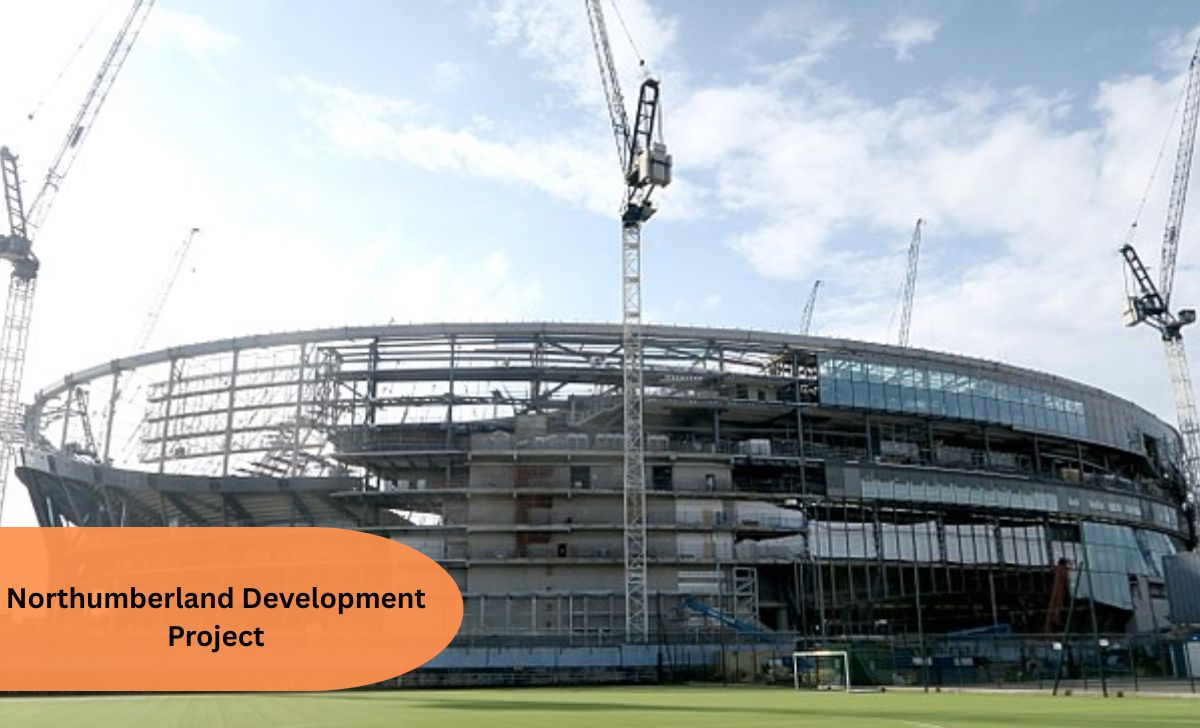
The Northumberland Development Project (NDP) is a large‑scale regeneration initiative led by Tottenham Hotspur FC, centered around replacing White Hart Lane with a modern stadium.
Beyond just a venue, it combines residential housing, retail, leisure, and community infrastructure. Its aim is to create a destination that operates year‑round, not just on match days.
Designed to improve local quality of life and to act as an economic catalyst, it stands as one of London’s most ambitious sports‑led redevelopment schemes. Budgeted in the billions, the NDP mixes private and public investment to deliver both sporting and urban benefits.
History and Origin of the Northumberland Development Project
Planning for Tottenham’s redevelopment began in the mid‑2000s, with official proposals first announced in 2007‑2008. Early versions included a new stadium, housing, and commercial space, but designs were revised multiple times to address community feedback, regulatory concerns, and site constraints.
Legal issues over land acquisition and conservation also delayed progress. Eventually, after winning planning permissions and resolving disputes, construction of the key stadium began, making way for the broader regeneration.
The Vision Behind the Redevelopment of Tottenham
The vision for NDP is broader than just a new stadium; it seeks to uplift the area socially, economically and physically. It aims to bring improved public spaces, accessible transport, cultural offerings, and housing for diverse income levels.
The intent is to attract investment, reduce local deprivation, and provide new amenities to existing residents. With plans for community health, education, and leisure facilities, the regeneration is positioned as inclusive and transformative.
Tottenham’s identity is central to the vision, ensuring the club remains rooted and the area retains its character.
Tottenham Hotspur Stadium – The Centrepiece of the Project
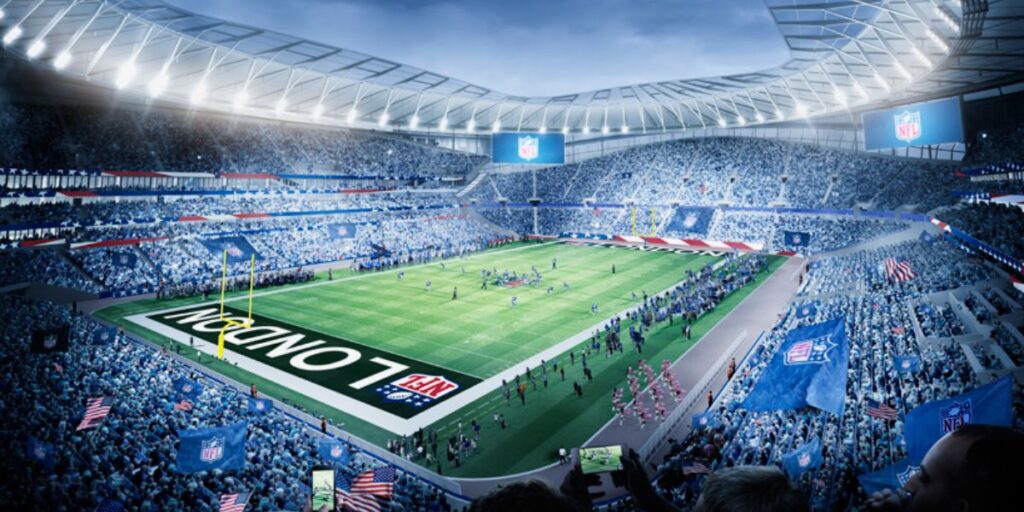
The stadium is the heart of the project and officially opened in 2019, replacing the old White Hart Lane ground. It has roughly 62,000 capacity, modern amenities, and is designed to host not only Premier League football but also international events including NFL games.
One of its standout features is a retractable or dividing pitch, allowing it to switch between football and American‑football or other events. Fan experience, sightlines, and comfort were prioritized, along with commercial features such as premium seating, hospitality suites, and multipurpose zones.
Mixed‑Use Development – Housing, Retail, and Leisure
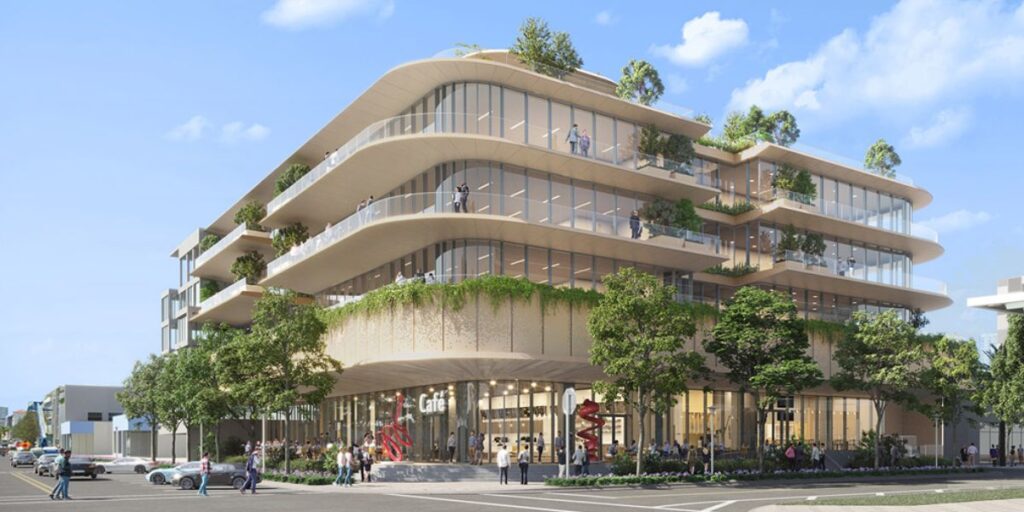
Alongside the stadium, the project includes nearly 600 new homes, retail outlets, and leisure spaces. The housing component includes both private and social/affordable housing to address local needs.
Retail includes shops, restaurants, and entertainment venues that aim to serve both the local community and visitors. A hotel is also part of the plan, adding accommodation capacity near the stadium.
Community infrastructure, such as health centres and public gathering spaces, ensures that residential and commercial pieces serve real everyday life, not just match‑day economy.
Community Engagement and Local Benefits
Throughout planning, community input was sought via public exhibitions, council consultations, and legal proceedings. Local residents’ views influenced the final plans, especially around housing numbers, transport impacts, and public spaces.
Job creation has been a stated aim, with employment during construction and ongoing roles in the stadium and retail/leisure operations. Educational upgrades such as technical colleges have been included to provide skills pathways for local youth. The schemes are intended to benefit Tottenham’s long‑term residents, not just new arrivals.
Sustainable Design and Environmental Goals
Sustainability has been integral to the design: modern energy efficiency standards, green public spaces, and efforts to minimize environmental disruption are key. The stadium features tech and materials intended to reduce carbon emissions and manage waste.
Plans include landscaping, tree planting, and ensuring access to open space. There are also transport‑oriented designs to reduce reliance on cars, with improved transit connections and pedestrian routes.
Over time, these design goals are intended to reduce traffic congestion and lower environmental footprint.
Transport and Infrastructure Upgrades in the Area
Transport improvements are central to the project’s success. Upgrades include improvements to nearby railway stations and better pedestrian access. New walkways and road layouts have been adjusted to ease congestion on match days.
Infrastructure around White Hart Lane, Northumberland Park, and High Road West has also been improved. Public transport is encouraged via better connectivity, bus services, and rail, reducing car dependency. These upgrades serve both stadium visitors and local commuters alike.
Economic Impact on Tottenham and Beyond
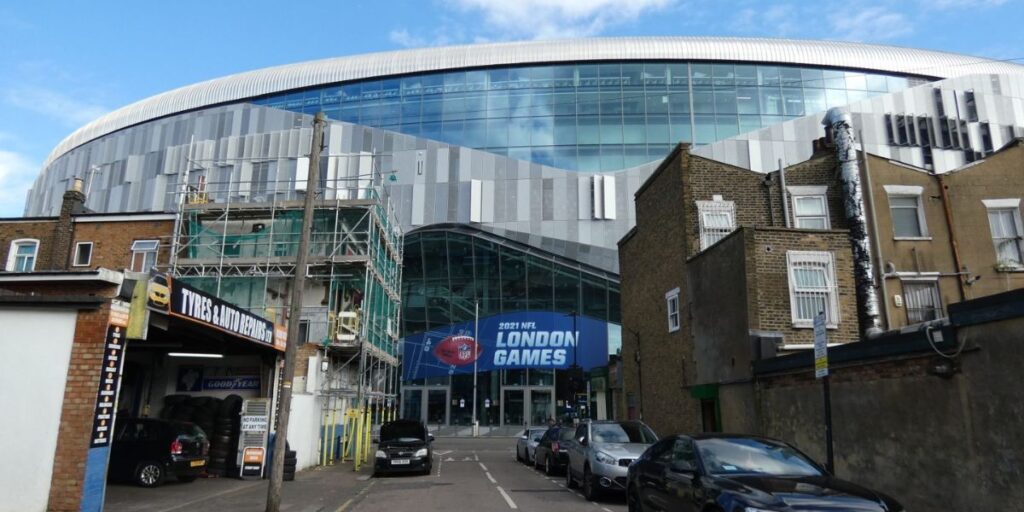
The NDP brings significant economic benefits: increased jobs, rising property values, and new business opportunities. Retail, hospitality, and leisure outlets generate investment and day‑to‑day spending.
Stadium events attract visitors, promoting wider trade around the area. The project also hopes to catalyze further regeneration in North London. While initial costs are high, projections suggest long‑term returns via property taxes, business growth, and increased employment.
Jobs and Skills – Employment Opportunities Created
During construction hundreds of jobs were created, from labor to specialist roles. Post‑opening roles span stadium operations, retail staff, maintenance, hospitality, and administration.
Educational features like a technical college help local youth acquire relevant skills. Apprenticeships and training programs are part of the plans to ensure residents can access these opportunities. Overall, the project is designed not merely to build but to build capacity within Tottenham’s community.
Challenges Faced During Construction and Planning
The development faced multiple challenges: legal disputes over land ownership, especially compulsory purchase orders (CPOs), delayed approvals, and budget revisions. Conservation requirements meant redesigning in parts to respect heritage and environment.
Costs escalated and timelines shifted as designs were refined and objections addressed. Matching community expectations with commercial viability has been tricky. Ensuring affordable housing quotas and balancing density versus open space have been ongoing issues.
Public Concerns and Local Resistance
Some locals felt initial plans were overly focused on commercial gain rather than serving existing residents. Concerns included displacement of small businesses, rising rent, and loss of neighborhood identity.
Heritage building protection and conservation area impact were raised by conservation groups. Transparency, access to affordable housing, and fair benefit sharing remain hot topics. Criticism has pushed developers and council to revise and engage more deeply with the community.
Affordable Housing – Promise vs. Delivery
The project promised a number of affordable homes, but critics question whether the actual delivered housing meets local affordability needs. Initial applications proposed several hundred homes, a portion allocated to affordable or social housing units.
However, as phases complete, some units skew toward luxury or private housing. Ensuring the right mix remains vital for community acceptance. Monitoring delivery over time will test promises against outcomes.
Impact on Small Businesses and Local Traders
Small local businesses along High Road West and around White Hart Lane have been affected by construction phases: displacement, noise, reduced footfall during building. Some have benefited from increased visitors post‑stadium opening, especially in retail and leisure.
Others express fears of being priced out or losing character. Support measures, relocation assistance, or compensation have been part of negotiations. Long‑term business sustainability in the regenerated area depends on balancing growth and preserving local trade.
Partnerships and Key Stakeholders in the Project
The project involves multiple stakeholders: Tottenham Hotspur FC, Haringey Council, architects, contractors, residents, and government bodies. Private investors and public funds have both played roles in financing.
Conservation authorities, heritage groups, and community committees have also been involved. Effective collaboration has helped resolve design changes, legal objections, and service provision. Stakeholder alignment remains critical for ongoing phases.
The Role of Government and Local Authorities
Local government (Haringey Council) has been a major decision‑maker in planning approvals, land regulation, and public infrastructure. National level bodies intervened in compulsory purchase orders and funding. Planning permissions have been granted, revised, and in some cases delayed due to council or regulatory concerns.
Authorities also set conditions for affordable housing, transport improvements, and sustainability standards. Their oversight ensures local interests are considered alongside commercial objectives.
Comparison with Other Urban Redevelopment Projects in London
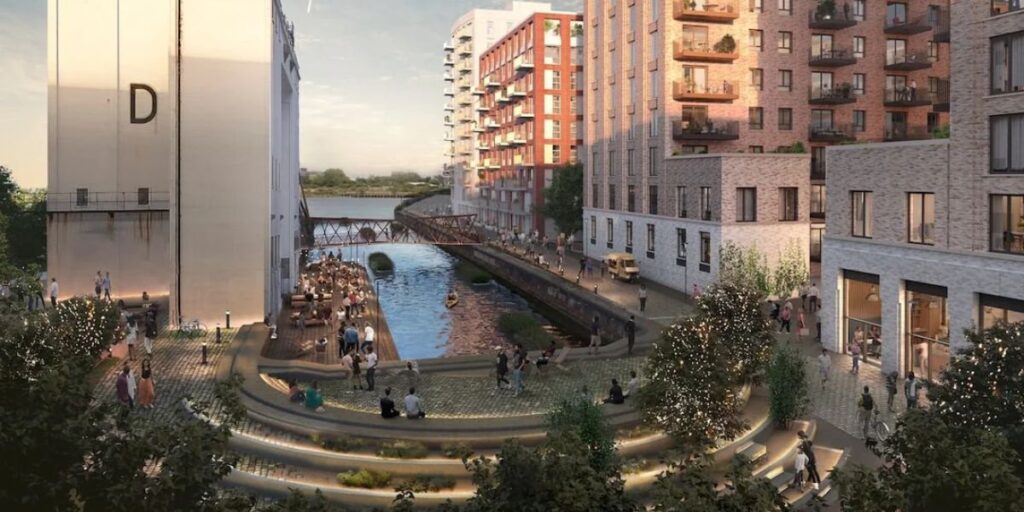
Compared to redevelopment like King’s Cross, Battersea Power Station or Canary Wharf regeneration, NDP is smaller in scale but highly focused on sports‑led urban renewal. It combines entertainment, housing, and community infrastructure in one coherent scheme.
Lessons from other projects transparency, mixed‑use balance, infrastructure delivery have influenced NDP’s strategies. Similar projects also show the importance of delivering promised public benefits to avoid public backlash.
Tottenham’s regeneration hopes to match or exceed other London success stories in social and economic impact.
Tourism and Events – Attracting Global Attention
Since opening, the new stadium has hosted major football games and events like NFL matches and concerts. These events bring visitors not only to games but also to the local shops, eateries, and hotels.
The stadium’s design (luxury suites, hospitality, museum experiences) aims to encourage non‑match‑day visits. It helps position Tottenham as an events destination. This tourism potential supports the economic rationale underlying much of the NDP.
Timeline and Phases of Completion
The project was first proposed in 2007‑2008, with planning applications submitted in 2009. Initial works (phase 1) including Lilywhite House and Sainsbury’s opened early in the 2010s. The stadium construction started after legal clearance and revised designs in mid‑2010s.
The main stadium opened in April 2019. Other phases of housing, retail, and community facilities are ongoing or planned. Completion of all components is spread over many years.
Future Outlook – What Lies Ahead for Northumberland Park
Looking forward, the project aims to fully deliver residential units, community infrastructure, and public services. The local economy and property market are expected to rise, boosting local incomes.
Continued monitoring of affordable housing fulfillment and local benefit sharing will be crucial. Transport and environmental sustainability improvements will likely expand further. If all phases succeed, NDP could serve as a model for sports‑led urban regeneration in other cities.
FAQs
1. What is the Northumberland Development Project?
The Northumberland Development Project is a large-scale urban regeneration initiative aimed at revitalizing parts of Northumberland through housing, infrastructure, and commercial development. It focuses on long-term economic and community growth.
2. What is the main goal of this project?
The main goal is to boost the local economy, improve infrastructure, and create sustainable communities. It also aims to attract investment and provide better opportunities for residents.
3. Who is leading the Northumberland Development Project?
The project is typically overseen by local government bodies in collaboration with private developers, planning authorities, and community stakeholders to ensure effective implementation.
4. How will this project benefit local communities?
It will create jobs, improve public services, and provide better housing and transport options. These improvements aim to enhance quality of life for residents across the region.
5. What types of developments are included?
The project includes residential housing, commercial spaces, transport infrastructure, green areas, and public service facilities. Sustainability is a key focus in every phase of development.
6. Is the project environmentally friendly?
Yes, the project includes sustainable building practices, green spaces, and eco-friendly transport links. Environmental impact assessments are also part of the planning process.
7. How long will the project take to complete?
Timelines vary by phase, but such large-scale projects can span several years. Updates are provided regularly by planning authorities and developers as progress continues.
8. What challenges does the project face?
Common challenges include funding, planning permissions, environmental concerns, and balancing community needs. Coordination between public and private sectors is crucial for success.
9. Will there be opportunities for local businesses?
Yes, the project encourages local business participation through contracts, supply chains, and service needs, promoting economic growth within the community.
10. How can residents get involved or stay informed?
Residents can attend public consultations, follow official updates online, and participate in community forums. Engagement ensures transparency and reflects local input in decision-making.
Conclusion
In conclusion, the Northumberland Development Project is more than just construction and planning, it’s a blueprint for a better future. Through smart investment and community-focused development, it promises lasting benefits for generations.
By revitalizing key areas and fostering economic resilience, the project positions Northumberland as a forward-thinking and prosperous region. With continued support and strategic implementation, its goals of growth, sustainability, and opportunity are well within reach.
Read more
Bel Air Airlines – Elevating Your Travel Experience
Baja Blast – The Legendary Flavor That Changed Fast Food Forever
Steelers vs Denver Broncos Match Player Stats – The Complete Guide
What is HiAnime? – A Complete Look at Features Legality and Safe Use