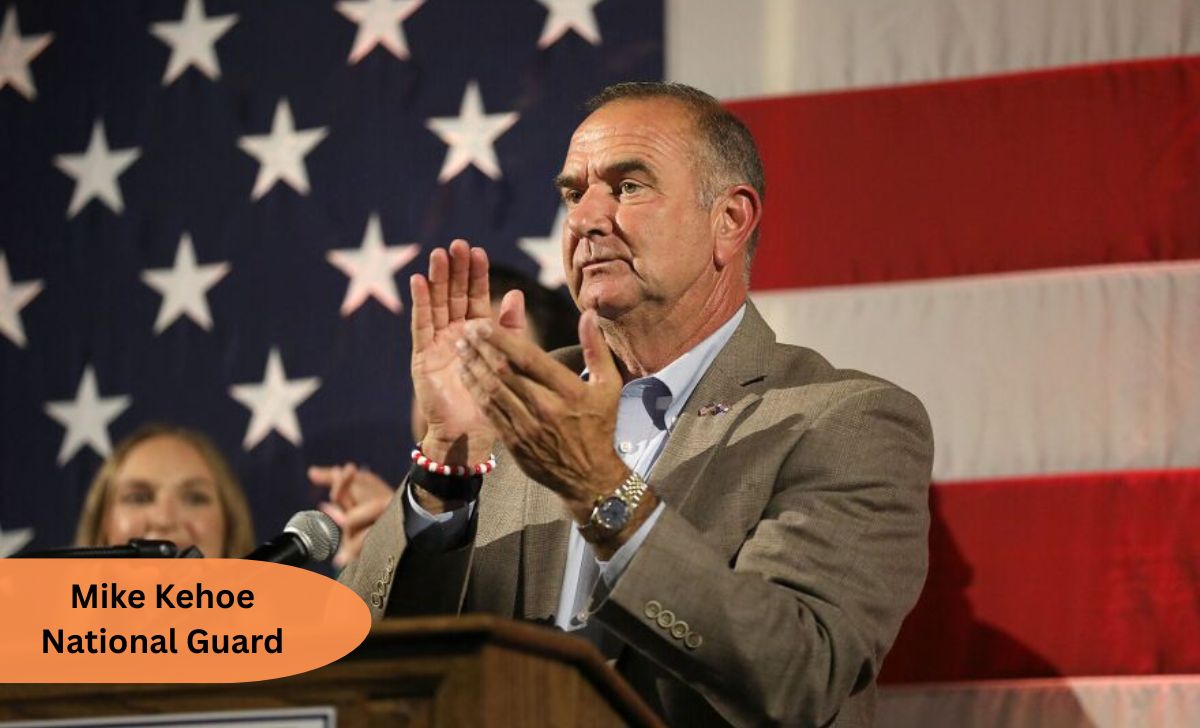
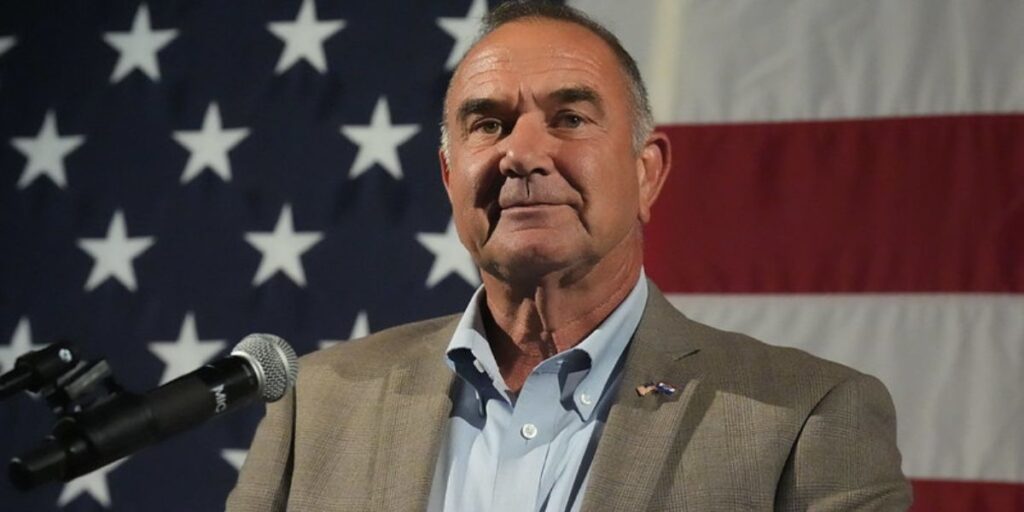
Mike Kehoe, the Governor of Missouri, has taken bold steps in utilizing the National Guard for both state and federal support missions. From assisting during civil unrest to supporting immigration enforcement administratively, his decisions mark a shift in traditional Guard roles.
Kehoe’s approach highlights his commitment to public safety, law enforcement collaboration, and operational efficiency. Under his leadership, the Missouri National Guard has taken on new responsibilities beyond disaster response.
This evolving role has sparked both support and criticism. In this article, we explore Kehoe’s actions, policies, and their broader implications.
Mike Kehoe National Guard refers to Missouri Governor Mike Kehoe’s use of the state’s National Guard for administrative support in immigration enforcement and civil emergency planning, highlighting his proactive approach to state security and federal collaboration.
In This Article, We Discuss the “Mike Kehoe National Guard”
Who Is Mike Kehoe? A Look at His Political Journey
Mike Kehoe is a Republican politician from Missouri who became governor in January 2025. Before that, he served as lieutenant governor and as a state senator. His experience in both legislative and executive roles shaped his oversight of state agencies. As governor, he now has authority to activate the Missouri National Guard for state missions and emergencies.
Mike Kehoe’s Role as Missouri Governor and His Authority Over the National Guard
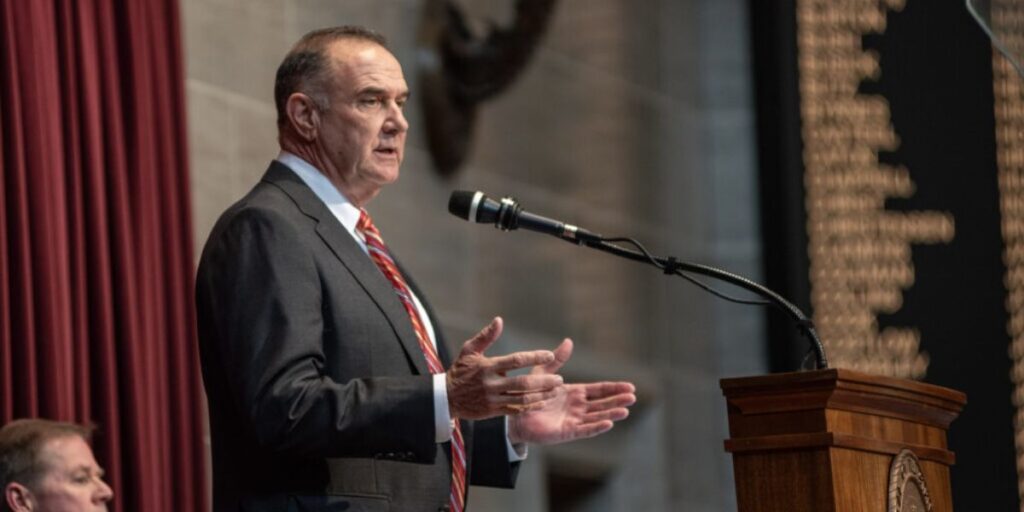
As governor, Kehoe commands the Missouri National Guard in its state missions under Title 32 status. He can issue executive orders to activate troops for emergencies, disasters, or support of civil operations. His responsibilities include choosing leadership and approving deployments. His decisions directly influence how the Guard is used domestically.
How Mike Kehoe Engages the Missouri National Guard in Statewide Operations
Kehoe has used the Guard for proactive measures like civil unrest preparation and disaster response. He declares states of emergency to legally justify Guard activation. Under his administration, the Guard also supports federal agencies in administrative and logistical roles. These uses broaden the traditional roles of the Guard under his oversight.
Key Decisions Made by Mike Kehoe Involving the National Guard
One major decision: authorizing Guard support for ICE in administrative duties starting October 2025. He also declared a state of emergency ahead of anti‑ICE protests and activated troops. Kehoe signed executive orders on immigration enforcement indicating his policy priorities. These choices reflect a stronger role of the Guard in civil and security matters under his governance.
National Guard Deployment Under Mike Kehoe – A Timeline
- June 2025: Kehoe declares emergency and prepares Guard ahead of statewide protests.
- September 30, 2025: He officially authorizes Guard support to ICE beginning Oct 1.
- Through Sept 30, 2026: Guard members may serve administrative missions. This timeline highlights how his policy evolved through the year.
Mike Kehoe and the 2025 Immigration Support Mission
In 2025, Kehoe approved the Missouri Guard to assist U.S. Immigration and Customs Enforcement (ICE) in non‑enforcement tasks. Guard members will perform data entry, case management, and logistics at ICE processing facilities.
This support role frees ICE personnel to focus on core law enforcement. The mission is voluntary and under state command.
Why Mike Kehoe Activated the National Guard to Assist ICE
Kehoe frames the move as enhancing public safety and supporting rule of law. He argues that Guard administrative support helps federal agencies operate more efficiently.
He also positions Missouri as a cooperating state in federal immigration priorities. Critics, however, view it as politicizing military resources.
Missouri National Guard’s Administrative Role Explained
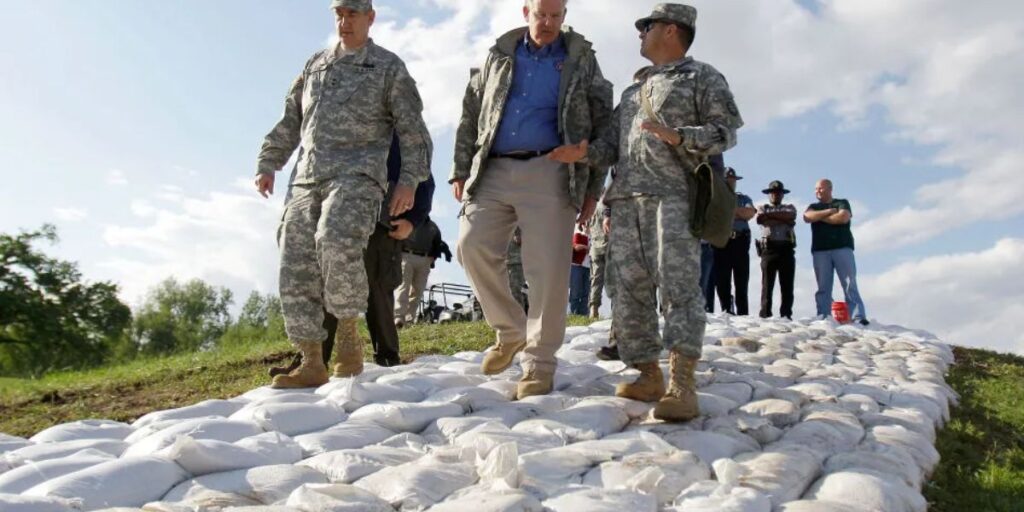
Under Kehoe’s plan, Guard units won’t make arrests or conduct raids, only support tasks. Their duties include data entry, record keeping, logistics, and case file management.
They enable ICE agents to allocate more resources to enforcement actions. This model is designed to comply with legal limits on military in domestic law enforcement.
How Mike Kehoe Uses the National Guard for Civil Unrest Preparation
Before protests, Kehoe declared a state of emergency and activated the Guard as a precaution. This allows rapid deployment if violence or disorder occurs.
He also established a Unified Command center to coordinate Guard, state patrol, and public safety agencies. This preemptive posture marks a strategic use of the Guard beyond disaster response.
Public Response to Mike Kehoe’s Use of the National Guard
The decision sparked reaction across political and civic groups. Supporters praise his initiative to “keep Missourians safe,” while critics and civil liberties organizations condemn it as overreach. Groups like the ACLU of Missouri have publicly condemned the move, calling it potentially harmful to communities.
Some local officials, especially in cities sensitive to immigration operations, have also questioned the policy’s impact and motives.
Supporters vs. Critics – Debating Mike Kehoe’s Guard Strategy
Supporters argue it’s an efficient use of state resources and helps enforce federal priorities. Critics see it as militarization of governance, risking civil liberties and overstepping constitutional bounds.
Debates also center on whether volunteer status truly ensures consent. The tension underscores larger questions about the role of state military power in domestic policy.
What Makes Mike Kehoe’s National Guard Policy Different from Past Governors?
Kehoe’s approach emphasizes using the Guard in direct support of federal agencies, beyond traditional roles like disaster or riot control. He has formalized participation in ICE tasks, which previous governors seldom did.
The combination of civil support and administrative missions under his term could set new precedents for state military involvement.
The Legal Framework Behind Mike Kehoe’s National Guard Activations
Kehoe uses Title 32 status so Guard members remain under state control but funded federally. This status allows them to assist in functions that might otherwise violate laws restricting military in civilian policing.
He also issues executive orders to define scope and authority for use. Legal boundaries remain key to ensuring constitutionality.
Volunteer vs. Mandated Duty – Guard Participation Under Kehoe
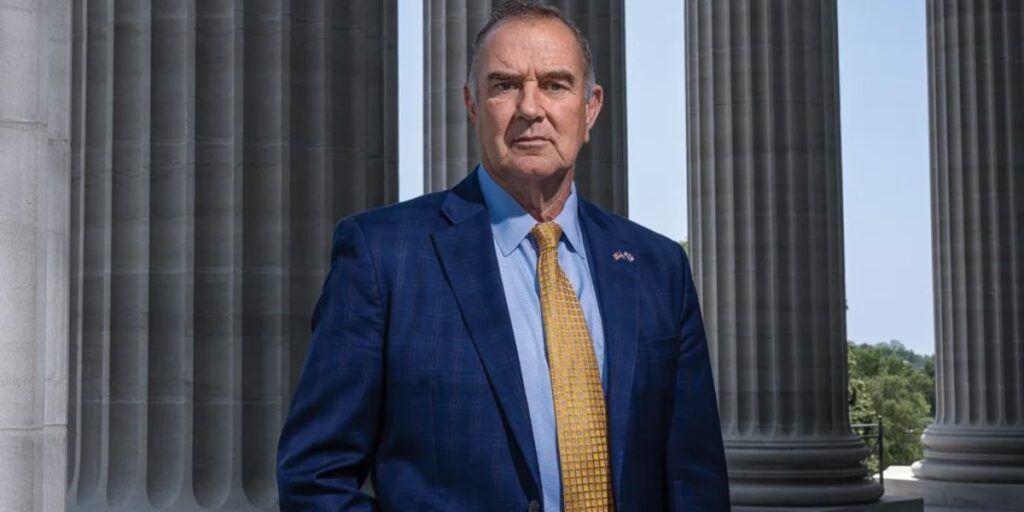
Guard members chosen for this immigration support mission are selected on a volunteer basis. This is intended to respect individual willingness rather than compel service.
The voluntary model is a legal and political buffer against claims of forced deployment. However, critics question how “voluntary” it truly is under political pressure.
The Impact of National Guard Missions on Missouri Communities
Guard deployment to ICE facilities could heighten tensions in immigrant communities. Some fear increased surveillance or deterrence to accessing public services.
Others believe it will accelerate case processing and reduce backlogs. The policy’s community impact will depend on transparency and communication from state officials.
Federal vs. State Control – Mike Kehoe’s Use of Title 32 Powers
Using Title 32, Kehoe ensures Guard members are under his command while still qualifying for federal funds. This allows roles closer to civil operations without breaching laws like Posse Comitatus.
It’s a balancing act: engaging in support operations while avoiding prohibited direct enforcement actions by troops.
Missouri National Guard’s Readiness Under Kehoe’s Leadership
Expanded roles may affect training, deployment schedules, and morale. The Guard must maintain readiness for natural disasters, homeland defense, or emergencies while adding these support functions.
Kehoe’s leadership will need to manage resource allocation and ensure the Guard is not overextended.
How Mike Kehoe’s Military Policies Shape Missouri’s Security
Kehoe’s integration of the Guard into immigration and civil support could reshape state security priorities. The Guard may become more common in nontraditional roles.
This may open opportunities for federal‑state partnerships but also stress debates over military involvement in domestic governance.
Will Other States Follow Mike Kehoe’s National Guard Model?
Kehoe’s strategy may influence other governors seeking to assist ICE or federal agencies. Some states are already exploring similar models under Title 32.
If effective and legally sustainable, other states may adopt this template, expanding the Guard’s domestic footprint in modern politics.
The Future of Missouri’s National Guard Under Mike Kehoe’s Command
Looking ahead, the Guard’s role may continue evolving more administrative support for federal operations, disaster readiness, and civil response.
Kehoe’s further executive orders or legislative changes could formalize new mission types. The balance between security and civil liberties will shape how Missouri’s Guard operates long term.
FAQs
1. Who is Mike Kehoe?
Mike Kehoe is the current Governor of Missouri, elected in 2024. Before becoming governor, he served as lieutenant governor and state senator. He plays a key role in managing the Missouri National Guard.
2. What is Mike Kehoe’s connection to the National Guard?
As Governor, Kehoe is the Commander-in-Chief of the Missouri National Guard during state missions. He authorizes its deployment for emergencies, civil unrest, and administrative support to federal agencies.
3. Why did Mike Kehoe activate the National Guard in 2025?
In 2025, Kehoe activated the Guard to assist ICE with administrative duties and to prepare for statewide protests. This marked a shift in how the Guard is used in Missouri.
4. What kind of work are Guard members doing under Kehoe’s orders?
The Guard is helping with data entry, case file management, and logistics, not law enforcement. Their tasks support ICE so its agents can focus on core duties.
5. Is the National Guard enforcing immigration laws?
No, under Kehoe’s policy, the Guard does not perform arrests or enforcement. Their role is strictly administrative and logistical, operating under Title 32 state authority.
6. What is Title 32, and why is it important?
Title 32 allows the Guard to operate under state control but with federal funding. This ensures the Guard follows state orders while legally supporting federal missions.
7. How have people reacted to Kehoe’s decision?
Public opinion is divided. Supporters praise his firm leadership on immigration and safety, while critics argue it could lead to misuse of military resources in civil affairs.
8. Are National Guard members forced to join this mission?
No, participation is voluntary. Guard members are asked to opt-in for the ICE support mission to respect their individual roles and service preferences.
9. How does this affect the Guard’s primary mission?
Some worry it could distract from disaster response or emergency readiness. Others believe it shows how flexible and useful the Guard can be in modern challenges.
10. Could other states follow Kehoe’s model?
Yes, Kehoe’s actions may set a precedent. If successful, other governors might adopt similar policies to support federal agencies using state-controlled military resources.
Conclusion
Governor Mike Kehoe’s use of the National Guard reflects a modern and assertive approach to state governance and national cooperation. While many view his actions as effective leadership, others raise concerns about overreach and the militarization of civil duties.
His policies have reshaped how the Guard operates in Missouri, expanding its functions into administrative and preventive roles. As his term progresses, the long-term impact of these decisions will continue to influence state security strategies.
Whether seen as proactive or controversial, Kehoe’s leadership is undeniably redefining the Guard’s presence in public affairs.
Read more
Toyota Chaser – The Ultimate Guide to Japan’s Iconic Performance Sedan
Complete Guide to the 909 Area Code – Cities, History & Dialing Rules
Pulsierende Signal Therapie – The Future of Natural Joint Healing