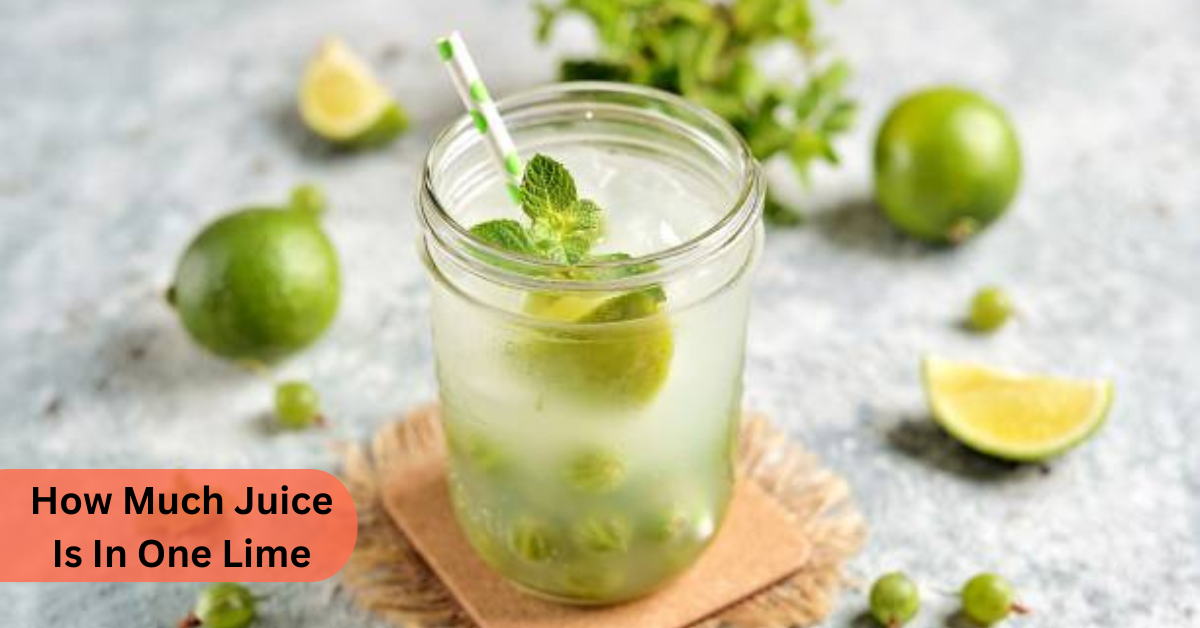
On average, one lime contains about 2 tablespoons (1 ounce or 30 ml) of juice. However, the exact amount can vary depending on the size, ripeness, and juiciness of the lime. Larger or very ripe limes may yield closer to 3 tablespoons, while smaller ones might give only 1 tablespoon. To get the most juice, roll the lime on a countertop before cutting.
When I make cocktails, I usually get about 2 tablespoons of juice from one lime, but sometimes smaller limes barely give me a spoonful. That’s why I always keep an extra lime handy just in case.
Average Juice Yield of One Lime:
Most recipes assume:
- 1 medium lime = 2 tablespoons (1 oz) juice
- 1 small lime = 1 tablespoon (0.5 oz) juice
- 1 large lime = 2.5–3 tablespoons (1.25–1.5 oz) juice
This means that if your recipe calls for ¼ cup (4 tbsp) of lime juice, you’ll need 2 medium limes.
But keep in mind, not all limes are created equal. The juiciness depends heavily on ripeness, variety, and storage conditions.
Factors That Affect Juice Yield:
1. Lime Size and Variety:
- Persian Limes (the common grocery lime): Larger, seedless, and yield ~2 tablespoons juice each.
- Key Limes (also called Mexican limes): Smaller (golf ball size), more aromatic, yield ~1 tablespoon juice each.
- Kaffir Limes: Hard, bumpy skin, with very little juice. Mostly valued for zest and leaves.
2. Ripeness:
- Bright green and slightly soft: Best stage for juicing.
- Yellow-green: May taste more bitter, often with less juice.
- Rock hard limes: Usually underripe and dry inside.
3. Temperature & Storage:
- Cold limes are harder to juice. Room-temperature limes release juice more easily.
- Limes stored too long in the fridge may dry out inside, producing less juice.
4. Juicing Technique:
- Rolling, microwaving, and using the right tools can increase juice yield by up to 20–25% compared to simple hand squeezing.
How to Pick the Juiciest Limes:
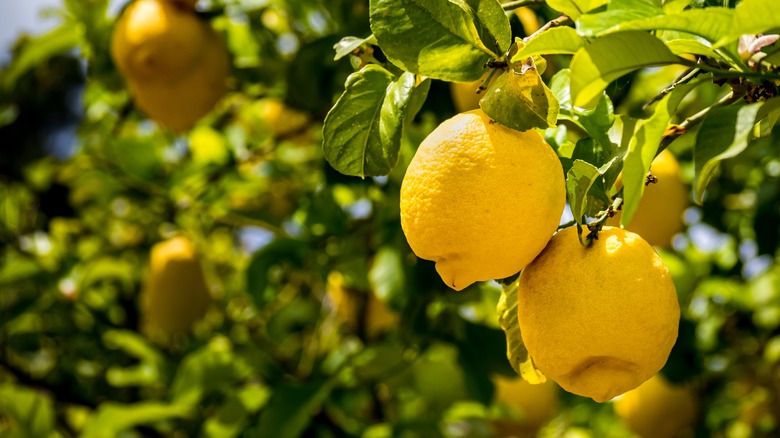
When shopping, here’s how to select limes that will give you the most juice:
- Weight Test: A heavier lime means more juice inside.
- Skin Texture: Smooth and shiny skin is a good sign of juiciness. Thick, bumpy skin usually has less liquid.
- Firmness: Choose limes that are firm but give slightly when pressed.
- Color: Go for bright green limes; dull or brown spots mean they’re old.
Pro Tip: Always buy an extra lime or two. Juice yields can vary, and having spares ensures your recipe isn’t thrown off.
Best Ways to Juice a Lime:
1. By Hand
Juicing limes by hand is the simplest method—just cut the lime in half and squeeze it over a bowl. While quick and convenient, this method often leaves some juice behind in the flesh. It works well if you only need a small amount for drinks or garnishes.
2. Rolling Method
Before cutting the lime, place it on a flat surface and roll it firmly with your palm. This breaks down the inner membranes and loosens the juice sacs. As a result, you’ll extract much more juice with less effort.
3. Microwave Trick
Pop a lime in the microwave for 15–20 seconds before cutting—it softens the fruit and loosens the juice sacs. This makes squeezing much easier and can increase juice yield by up to 20% more. It’s a quick hack bartenders often use for cocktails.
4. Fork Method
Cut the lime in half, then insert a fork into the flesh while squeezing it with your hand. Twisting the fork breaks the pulp and releases more juice. This simple hack can increase yield without needing special tools.
5. Citrus Juicer or Reamer
Citrus Juicer or Reamer is one of the most efficient tools for extracting lime juice. It helps squeeze out nearly every drop without much effort, saving time compared to hand-squeezing. For frequent lime use, this is the best option to ensure maximum yield.
Pro Tip: For cocktails or large recipes, always use a juicer—it saves time and guarantees maximum yield.
Lime Juice Conversion Chart:
Recipes often list juice in tablespoons, cups, or ounces. Here’s a handy guide:
- 1 lime = ~2 tbsp = 1 oz = 30 ml
- 2 limes = ¼ cup = 2 oz = 60 ml
- 4 limes = ½ cup = 4 oz = 120 ml
- 8 limes = 1 cup = 8 oz = 240 ml
Always round up when buying limes—you’ll rarely regret having extra juice!
Fresh Lime Juice vs. Bottled Lime Juice:
1. Fresh Lime Juice
- Flavor: Bright, zesty, and natural.
- Nutrients: Rich in vitamin C, antioxidants, and enzymes.
- Shelf Life: Only lasts 2–3 days refrigerated.
2. Bottled Lime Juice
- Convenience: Available year-round, long shelf life.
- Budget-friendly: No prep needed.
- Taste: Often dull, slightly bitter, sometimes metallic due to preservatives.
If you’re making margaritas, desserts, or salad dressings, always use fresh. Bottled juice is fine for marinades, stir-fries, or cooking.
Health Benefits of Lime Juice:
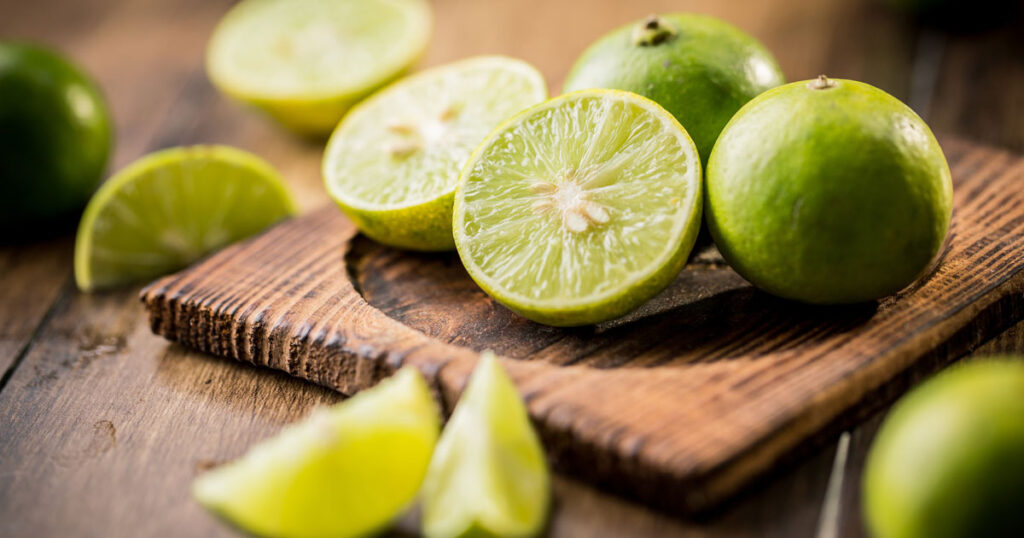
Beyond taste, lime juice offers plenty of health benefits:
- Boosts Immunity: The immune system is strengthened by high vitamin C.
- Digestive Support: Acidity stimulates digestive enzymes.
- Skin Health: Antioxidants fight free radicals, slowing skin aging.
- Weight Management: Low in calories; can aid hydration and fat metabolism.
- Heart Health: Contains potassium and flavonoids that support circulation.
Adding a few drops of lime juice to water is a simple way to enjoy its benefits daily.
Types of Limes & Their Juice Content:
1. Persian Limes (Tahitian Limes):
- Common in supermarkets.
- Larger, seedless, ~2 tbsp juice each.
2. Key Limes
Small, yellow-green, highly aromatic.
- ~1 tbsp juice each.
- Popular for Key Lime Pie.
3. Kaffir Limes
- Bumpy skin, minimal juice.
- Leaves are used in Thai cuisine for their fragrance.
4. Finger Limes
- Small, elongated, filled with “citrus pearls.”
- Not for juicing but used as garnish in gourmet dishes.
How to Store Limes & Lime Juice:
1. Whole Limes
- Room temperature: 5–7 days.
- Refrigerated in bag: Up to 1 month.
2. Cut Limes
- Refrigerated in airtight container: 5–7 days.
- Wrap in cling film to prevent drying.
3. Lime Juice
- Refrigerated: 2–3 days.
- Frozen in ice cube trays: Up to 3 months.
Freeze in tablespoon portions for easy use in cocktails or cooking.
Culinary Uses of Lime Juice:
Lime juice’s versatility makes it a kitchen essential:
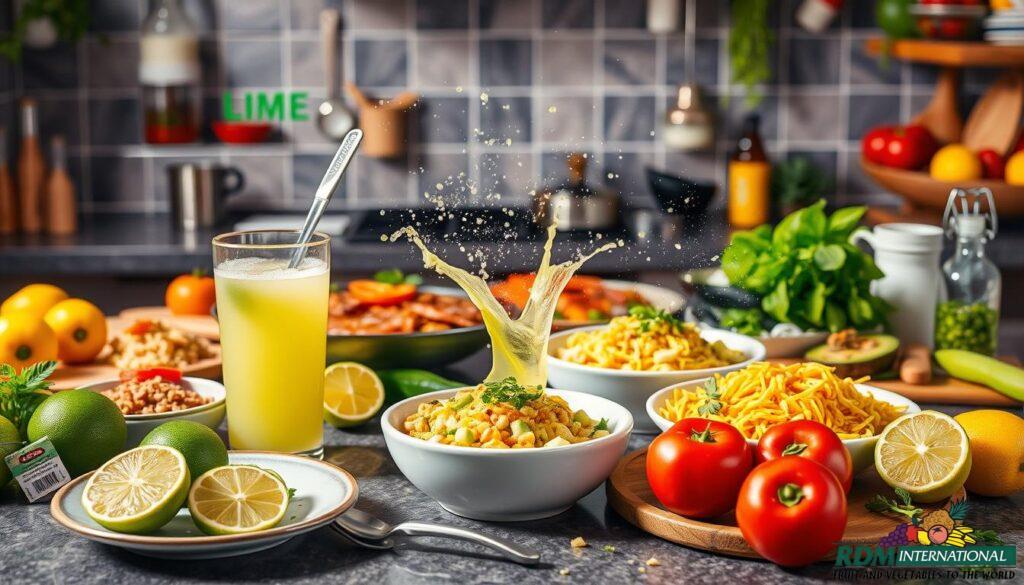
- Cocktails: Margaritas, mojitos, caipirinhas.
- Savory Dishes: Enhances tacos, curries, stir-fries, soups.
- Desserts: Key lime pie, lime sorbet, citrus bars.
- Dressings & Sauces: Adds brightness to vinaigrettes, guacamole, salsa.
- Health Drinks: Infuses water, teas, and smoothies with a refreshing kick.
Conclusion:
In conclusion, the amount of juice in one lime can vary, but on average you’ll get about 2 tablespoons. Factors like size, ripeness, and variety all influence how much liquid you’ll extract. With simple tricks like rolling, microwaving, or using a juicer, you can maximize yield and make sure your recipes turn out perfectly. Whether you’re mixing cocktails, cooking savory dishes, or preparing desserts, always keep an extra lime handy—you’ll rarely regret having more fresh juice on hand.
FAQs
1. How much juice is in 1 lime?
A standard medium lime produces about 2 tablespoons (1 ounce) of juice, but this can vary based on ripeness, variety, and freshness. Key limes, for example, are smaller and usually yield less juice than Persian limes. Sometimes a lime may look large but be dry inside, giving far less juice.
2. Can I substitute bottled lime juice for fresh lime juice?
You can substitute bottled lime juice, but it won’t taste the same. Fresh lime juice adds a zesty brightness and natural aroma that bottled juice lacks. Bottled versions often contain preservatives like sodium metabisulfite, which can slightly alter flavor. Still, in recipes like marinades or cocktails, bottled juice is acceptable if fresh isn’t available.
3. How much real lime juice equals 1 lime?
Generally, 2 tablespoons (30 ml) of real lime juice equal the juice of one medium lime. This measurement is helpful for recipes that call for lime juice but don’t specify the number of limes. For precise cooking or baking, measuring the juice ensures consistency.
4. How many limes for 2 oz of juice?
You’ll need about 2 medium limes for 2 ounces (¼ cup) of juice. If using small key limes, it could take 4–5 to reach the same amount. For juicing efficiency, roll the lime firmly on the counter or microwave it for 10–15 seconds before squeezing.
5. What is the closest thing to fresh lime juice?
The closest alternative is 100% bottled lime juice with no additives. Lemon juice is another good substitute since it has a similar acidity and flavor, though slightly sweeter and less bitter. For cocktails like margaritas, some people even use lime extract drops when fresh juice isn’t available.
6. How does lime juice affect blood sugar?
Lime juice is considered low on the glycemic index, meaning it does not cause rapid spikes in blood sugar levels. It contains vitamin C, antioxidants, and soluble fiber that can help regulate glucose absorption. For diabetics, incorporating lime juice into meals or water is a refreshing way to add flavor without raising blood sugar.
7. Is lime juice healthier than lemon juice?
Both lime and lemon juice offer health benefits, but they differ slightly. Limes generally contain more antioxidants, while lemons provide slightly higher vitamin C content. Lemon juice is often used for detox drinks and digestion, while lime juice is praised for hydration and boosting immunity. Choosing one over the other usually comes down to flavor preference.
8. Does microwaving a lime increase juice yield?
Yes. Microwaving a lime for 15–20 seconds loosens the juice vesicles inside, making it easier to extract. Another trick is to roll the lime firmly on the countertop with your palm before slicing. Both methods can increase yield by 20–30%, especially if the lime is slightly firm.
9. How can you tell if a lime is juicy?
The juiciest limes are heavy for their size, glossy, and slightly soft to the touch. A rough, dry, or wrinkled skin usually means less juice. When shopping, pick limes with smooth, thin skin, as thick-skinned limes tend to have less juice.
10. Is lime juice in a bottle the same as fresh?
No, bottled lime juice is pasteurized, which removes some nutrients and alters the fresh flavor. Fresh lime juice is brighter, more aromatic, and nutrient-rich. Bottled juice is convenient for long storage, but for cocktails, marinades, or salad dressings, fresh juice is always preferred for the best taste.
Read more
Polyquaternium-7—A Complete Guide!