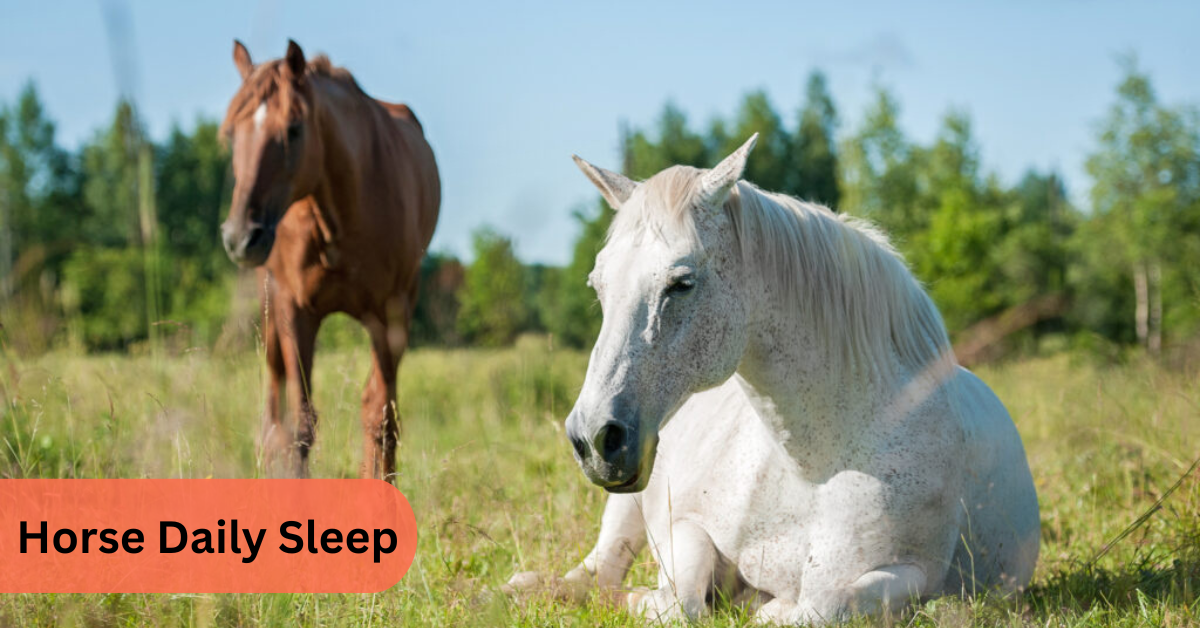
Horses have unique sleep patterns compared to humans. On average, a horse needs about 2 to 3 hours of sleep per day, usually taken in short naps while standing. However, for deep REM sleep, horses must lie down, which they typically do for 30 minutes to an hour within a 24-hour cycle. Their light sleeping habits help them stay alert and safe from predators.
My horse usually naps while standing and only lies down for a few short hours at night. At first, I worried it wasn’t enough sleep, but later I learned that’s perfectly normal for horses.
In This Article, We Discuss About “Horse Daily Sleep”
How Much Do Horses Sleep a Day?
Unlike humans who need 7–9 hours of continuous rest, horses average 5–7 hours of sleep per day. However, their rest is scattered throughout a 24-hour period. They nap multiple times instead of sleeping straight. Adult horses only spend 30–45 minutes lying down to reach deep REM sleep, but foals, due to their rapid growth, can sleep for 12–14 hours daily. This short yet efficient rest cycle keeps them alert and ready to move.
Why Do Horses Sleep So Little?
Horses are prey animals, meaning they evolved to remain cautious of predators. Long hours of deep sleep would leave them vulnerable, so their bodies adapted to rest in short bursts. Their strong sense of hearing and ability to nap while standing ensures they remain on guard. Sleep efficiency allows them to regenerate energy without spending excessive time unconscious. This survival-driven pattern makes them one of the most alert mammals in the animal kingdom.
Do Horses Sleep Standing Up?
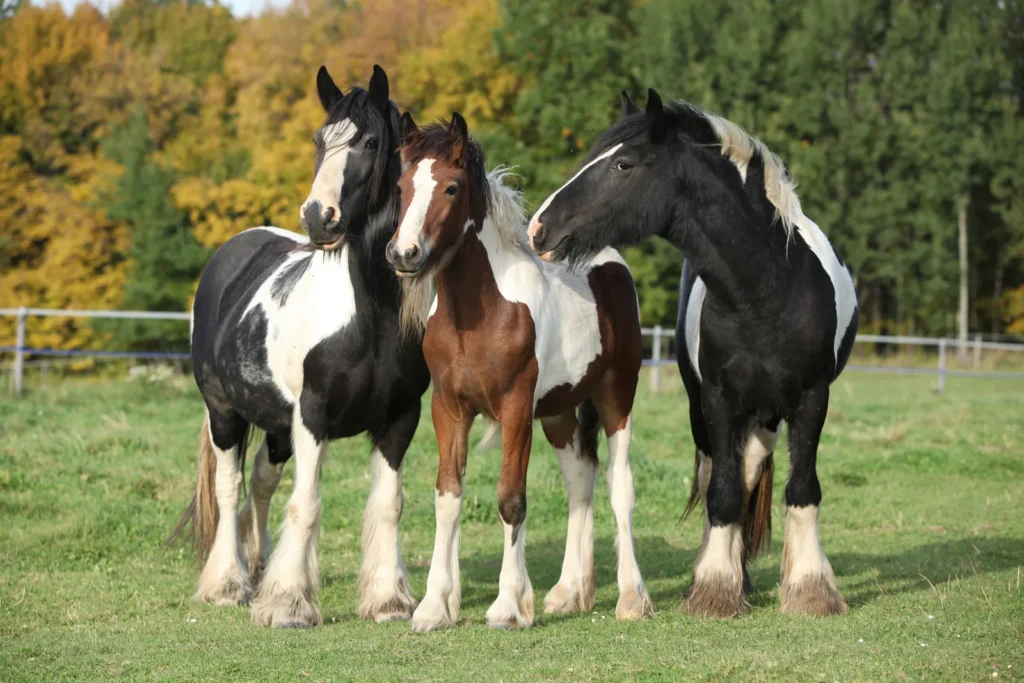
Yes, horses are capable of sleeping while standing, thanks to a unique biological system known as the stay apparatus. This involves tendons and ligaments in their legs that lock joints, allowing them to rest without collapsing. Standing sleep is usually light rest or slow-wave sleep, but not REM sleep. This ability helps them avoid predators by staying semi-alert and ready to flee at a moment’s notice.
Summary of First 3 Points:
Horses follow a sleep pattern designed for safety and survival. They require less sleep than humans, manage with multiple naps, and can even sleep standing up using the stay apparatus. While this allows them to remain alert, true deep sleep still requires lying down. Understanding these points highlights how evolution has shaped horses into efficient sleepers.
Do Horses Lie Down to Sleep?
Although horses nap standing, REM sleep is only possible when lying down. REM is crucial for mental recovery, memory, and muscle repair. A horse lying flat is vulnerable, so they only do it when feeling completely safe. If deprived of this stage for several days, horses may suffer sleep deprivation, leading to collapsing episodes known as “sleep attacks.”
How Environment Affects Horse Sleep:
The environment plays a vital role in equine rest. Horses in quiet, familiar pastures with soft bedding are more likely to lie down and achieve REM sleep. Stressed or anxious horses, especially those isolated from the herd, may struggle to rest. Artificial lighting, overcrowding, and noise also disturb their natural circadian rhythm. Ensuring a calm, secure environment helps prevent sleep deprivation.
Horse Sleep Cycles Explained:
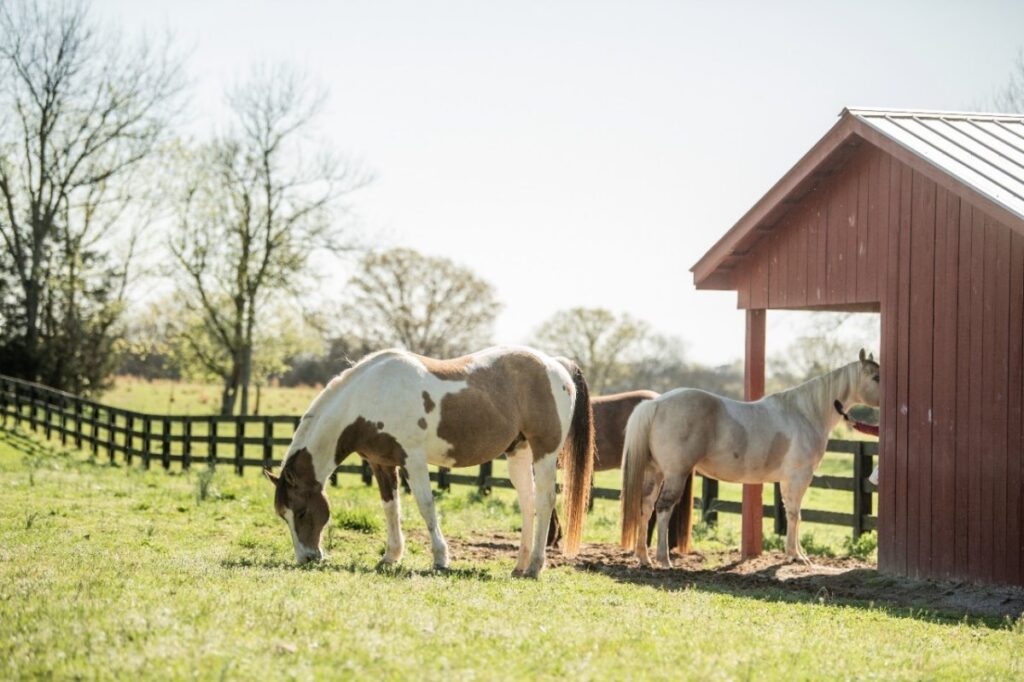
Horses experience four stages of rest:
- Wakefulness – alert state.
- Drowsiness/Light Sleep – eyes half-closed, standing rest.
- NREM (Slow-Wave Sleep) – deep physical rest, can occur while standing.
- REM Sleep – occurs only when lying down, restores the brain.
Unlike humans, horses have polyphasic sleep cycles, meaning they sleep in short intervals rather than a long continuous stretch.
Summary of Second 3 Points:
Horses balance standing naps and lying rest to complete their sleep cycle. While environmental comfort is key, their unique sleep stages ensure that both body and brain recovery occur. Without REM, they risk serious health problems, proving how essential safe conditions are for proper equine sleep.
How Sleep Differs by Age:
Foals and young horses require much more sleep than adults. Foals may sleep for up to 12–14 hours, often lying down for long stretches to support growth and development. Adult horses sleep about 5–7 hours total, while senior horses may nap more frequently but for shorter intervals. Age-related conditions, like arthritis, can also affect how comfortably an older horse lies down, impacting REM sleep.
Health Risks of Sleep Deprivation in Horses:
When horses don’t get enough sleep—especially REM sleep—the effects are visible. They may appear sluggish, irritable, or unresponsive. Chronic sleep deprivation can cause weakened immunity, making them prone to illnesses. In severe cases, horses may collapse from exhaustion, mimicking narcolepsy. Ensuring regular REM sleep is just as important for horses as for humans.
Do Horses Sleep With Their Eyes Open?
Yes, horses often rest with their eyes partially open, especially during standing naps. This helps them stay semi-alert and react quickly to threats. Their third eyelid protects the eye while allowing partial closure. However, during REM sleep, horses close their eyes completely, showing they are fully relaxed and in their deepest stage of rest.
Summary of Third 3 Points:
From foals to seniors, every stage of life brings different sleep needs. Without proper rest, horses face risks ranging from fatigue to collapsing episodes. Their habit of sleeping with eyes partly open reflects their natural instincts for survival, balancing rest with vigilance.
Where Do Horses Prefer to Sleep?
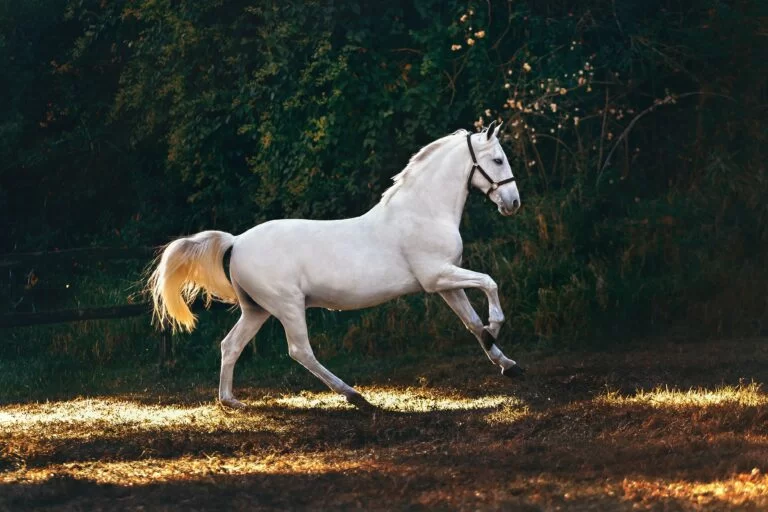
Horses naturally choose open, dry, and safe spaces to rest. In the wild, they lie in areas with good visibility for quick escape if danger arises. In barns, soft bedding encourages lying down, while crowded, noisy stalls reduce sleep quality. Herd dynamics also play a role—horses often rest better when surrounded by companions.
How to Improve Horse Sleep:
Owners can support better sleep by ensuring comfortable bedding, herd companionship, and a peaceful environment. Turning off artificial lights at night, reducing stress, and maintaining consistent routines all contribute to healthier sleep patterns. In some cases, veterinarians may recommend supplements or treatments if pain or anxiety interferes with rest.
Conclusion:
Horses may not sleep like humans, but their unique patterns are perfectly suited to their survival and well-being. With short naps, the ability to rest while standing, and limited REM sleep lying down, they remain both rested and alert. Understanding their daily sleep cycle helps owners provide a safe, calm environment that supports healthy rest. By respecting their natural rhythms, we can ensure horses stay energetic, balanced, and ready to thrive every day.
FAQs
1. How much sleep do horses need a day?
Horses generally need 2 to 5 hours of sleep in a 24-hour period, far less than humans who average 7–9 hours. Unlike us, they don’t get all their rest at once. Instead, they take short naps lasting a few minutes throughout the day and night. Out of their total rest, only around 30–60 minutes is REM (deep dream sleep), which is critical for their mental health and must be done lying down. Young foals tend to sleep more up to 12 hours a day while older horses often sleep less.
2. Why do horses sleep so little?
The reason horses sleep so little is tied to their evolution as prey animals. In the wild, horses had to remain alert for predators, so they developed the ability to rest lightly and for short periods while standing. This way, they can quickly flee if danger arises. Their sleep cycle has adapted to meet their energy needs without leaving them vulnerable. Domestic horses, even though safer, have retained these same natural sleeping habits.
3. Do horses sleep standing?
Yes, horses have a special leg mechanism called the stay apparatus, which locks their joints and allows them to relax without collapsing. This ability helps them nap lightly while still ready to react at any moment. However, REM sleep requires them to be fully relaxed, so they must lie down for short intervals, usually on their sides or in a semi-reclined position. Without lying down occasionally, horses can suffer from sleep deprivation.
4. Do horses get tired of standing all day?
Horses are naturally built to spend long hours standing because of their unique musculoskeletal design. Their legs can bear weight comfortably without fatigue. However, this doesn’t mean they never feel the need to change position. Horses do lie down for short periods, not only to sleep deeply but also to give certain muscles and joints a rest. If a horse is never lying down, it might indicate stress, poor stall conditions, or health issues.
5. What do horses do all night?
At night, horses don’t just sleep like humans do they rotate between light dozing, grazing, and occasionally lying down for REM sleep. In a stable, many horses rest quietly, nibbling hay and taking short naps. In the wild or in open pastures, horses often form a “watch system” where one or two remain alert while others rest. This herd behavior ensures safety while still allowing everyone some downtime.
6. Do horses bond with humans?
Absolutely. Horses are highly social animals and can form deep emotional connections with their human caregivers. They recognize voices, smells, and even footsteps, responding differently to people they trust versus strangers. A bonded horse might follow its owner, rest its head against them, or show signs of relaxation when nearby. Building trust takes time, but once earned, a horse-human bond can be as strong as friendships between people and dogs.
7. Can horses cry?
While horses produce tears through their tear ducts, these tears serve a physical purpose, not an emotional one. They help keep the eyes clean and hydrated or signal irritation, allergies, or infections. Horses do not cry from sadness or joy the way humans do. Instead, they show emotions through body language like pinned ears for anger, relaxed lips for comfort, or whinnies for excitement.
8. What animal sleeps the least?
The animal that sleeps the least is the giraffe, which often gets by with only 30 minutes to 2 hours of sleep daily. Horses also sleep very little compared to most animals, but giraffes hold the record. Other animals with short sleep cycles include elephants and dolphins. These species, like horses, have evolved to stay alert and protect themselves while still meeting their rest needs.
9. Do horses ever eat meat?
Horses are strict herbivores, designed to eat grass, hay, and grains. Their digestive system cannot process meat properly, and a diet containing animal products can cause serious health issues. However, there have been rare reports of horses nibbling at meat out of curiosity or because of mineral deficiencies. Still, this is unnatural behavior and not recommended for their health. Owners should always stick to forage-based diets for proper nutrition.
10. Do horses know their names?
Yes, with consistent training, horses can learn to recognize their names and respond when called. They are intelligent animals capable of associating sounds with actions, much like dogs. Horses that know their names often show recognition by looking toward the caller, coming forward, or perking their ears. Using positive reinforcement, such as treats or gentle praise, strengthens this recognition and creates better communication between horse and handler.
Read more
Turin 2006 Winter Olympics—A Compete Guide!
Thing One And Two—A Complete Guide!
How Much Juice Is In One Lime—A Complete Guide!