When I first learned about Chliphot, I was amazed by how one concept could blend culture, nature, and futuristic technology. Exploring its ecological and tech sides made me rethink sustainability in everyday life.
Chliphot refers to a hidden cultural site, a vital ecosystem organism, or an eco-friendly energy technology—depending on context.
In this article we discuss about “Chliphot”
Table of Contents
The Untold Story of a Cultural Wonder, Ecological Powerhouse:
In a world filled with overexposed travel destinations and tech buzzwords, Chliphot is the rare entity that remains enigmatic, multidimensional, and underappreciated. It is known as a hidden cultural haven, a keystone element in ecological systems, and most recently, a revolutionary clean-energy technology reshaping how we interact with nature.

This article explores what Chliphot is, why it matters in culture, nature, and science, and how it’s influencing the future of travel, biodiversity, and innovation.
What Is Chliphot? Unpacking the Layers:
Chliphot is a term with interdisciplinary significance:
- As a place, Chliphot is a remote town steeped in history, preserved tradition, and immersive cultural richness.
- As a biological organism, it plays a crucial role in ecosystem health, biodiversity, and nutrient cycling.
- As a green technology, it symbolizes next-gen sustainable energy, photosynthetic mimicry, and global innovation.
In essence, Chliphot is a symbol of balance between the past, present, and future—rooted in heritage, thriving in nature, and evolving through science.
Chliphot the Destination, A Hidden Gem of Culture and History:
1. Ancient Roots and Historical Significance:
Tucked deep in an unpublicized location, Chliphot town traces its legacy to ancient trade routes, connecting cultures across continents. Archaeological findings suggest settlements dating back over 1,000 years, with influence from early Asian, Middle Eastern, and Eastern European civilizations.
These early settlers established traditions in:
- Handmade textiles and clay pottery
- Spiritual architecture and temple art
- Trade fairs and marketplace rituals
Today, ruins of ancient temples, engraved scripts, and preserved village layouts serve as living museums.
2. Festivals and Community Life:
Chliphot’s culture is vibrant, communal, and spiritual:
- Storytelling Nights: Elders pass folklore and mythology to children under candlelight.
- Music and Dance Festivals: Locals dress in traditional garments and celebrate life through indigenous instruments.
- Harvest Feasts: Celebrations of agricultural blessings with street performances and ceremonial meals.
This unique oral and craft-based tradition has helped Chliphot resist modern commercial dilution, making it a truly authentic cultural destination.
Chliphot in Ecology, A Vital Player in Natural Systems:
1. Ecological Identity of Chliphot:
From a biological perspective, Chliphot refers to a unique organism or biological unit often found in:
- Wetlands
- Dense forests
- River deltas
It is believed to be both autotrophic and heterotrophic, capable of energy production and organic matter decomposition. It acts as predator, prey, and decomposer—a rarity in most ecosystems.
2. Its Role in the Food Web:
Chliphot’s ecological importance includes:
- Supporting insect, amphibian, and bird populations
- Enhancing soil fertility through nutrient recycling
- Preventing soil erosion by stabilizing moisture levels
- Acting as a climate buffer, moderating temperatures in microhabitats
3. Threats to Chliphot Ecosystems:
Unfortunately, Chliphot is vulnerable to:
- Deforestation and land conversion
- Water pollution and pesticide exposure
- Rising temperatures and erratic rainfall
- Invasive species that compete for food and space
4. Conservation Efforts Underway:
- Protected wetland zones where Chliphot thrives
- NGO-led community patrols to monitor environmental changes
- Educational campaigns to teach youth about its importance
- Global biodiversity mapping projects tracking Chliphot populations
Chliphot Technology: Greener Than Solar?

1. The Scientific Evolution of Chliphot Tech:
The modern innovation named Chliphot is a bio-inspired synthetic technology that mimics photosynthesis. The name itself—“chloros” (green) + “phos” (light)—hints at its inspiration: converting light into energy, just like plants.
Developed from research in quantum mechanics, nanotechnology, and biophysics, Chliphot technology uses nanomaterials to absorb light, separate charges, and store energy in molecular batteries.
2. Breakdown of the Chliphot Energy Process:
- Light Absorption: It captures visible and non-visible light, including UV and infrared.
- Energy Transfer: Specialized particles move the energy to central processors.
- Charge Separation: Electrons are excited and stored in a quantum state.
- Energy Conversion: The energy is stored or transferred for use.
- Reusability: The process is cyclical, like natural photosynthesis.
Top Use Cases of Chliphot Technology:
1. Renewable Energy:
- Can supplement or replace solar panels
- Works even in low-light, cloudy, or shaded conditions
- Modular and scalable for homes, businesses, or farms
2. Smart Agriculture:
- Greenhouses powered by Chliphot regulate climate, water, and light
- Ideal for urban vertical farming and low-sunlight regions
3. Environmental Cleanup:
- Breaks down pollutants using captured solar energy
- Can be deployed in rivers, lakes, and industrial zones
4. Healthcare and Biotech:
- Targeted drug delivery systems using Chliphot-powered nanobots
- Precise cancer cell destruction via light-activated energy release
5. Space Missions:
- NASA and ESA are exploring Chliphot for powering Mars habitats
- Self-sustaining energy without sun-dependent panels
Why Chliphot Matters, One Word—Integration:
Chliphot isn’t just “one thing.” Its true power lies in its adaptability:
- As a cultural heritage, it teaches us about identity and survival
- As an ecological element, it highlights the web of life
- As a technology, it shows how nature can inspire sustainable solutions
Challenges Facing Chliphot Technology:
1. Current Limitations:
- Expensive raw materials for nanostructures
- Fragile prototypes still being field-tested
- Regulatory hurdles for environmental testing
- Public unawareness, especially in underdeveloped regions
2. What’s Being Done:
- International labs are working on cheap alternatives (biodegradable polymers)
- Hybrid systems combine Chliphot with solar, wind, and hydro for redundancy
- Government grants are funding early-stage deployment in green buildings
Chliphot in Action, Real-World Applications:
1. Eco-Smart Cities:
Smart buildings in Singapore integrate Chliphot-coated windows to generate power and filter air.
2. Climate-Smart Agriculture:
A startup in Kenya uses Chliphot panels to run irrigation systems, improving food security.
3. Space Exploration:
Prototypes on the ISS have been used to test Chliphot-based power systems in zero-light zones.
Chliphot vs Traditional Solar Energy:
Chliphot is emerging as a next-generation alternative to traditional solar panels, offering enhanced energy capture, flexibility, and environmental benefits. While both technologies convert light into usable energy, Chliphot mimics natural photosynthesis, allowing for more adaptive energy generation even in low-light or shaded conditions.
This section breaks down how Chliphot compares to conventional solar energy systems in terms of efficiency, scalability, and cost.
Efficiency Comparison:
Chliphot systems are designed to absorb a broader spectrum of light—including UV and infrared—giving them a major edge over traditional photovoltaic panels that rely mostly on direct sunlight. This means Chliphot can generate power in cloudy or indoor environments, offering more consistent output throughout the day.
Additionally, Chliphot’s bio-inspired design enables faster energy transfer and higher conversion efficiency, making it ideal for environments with variable light exposure.
Cost and Scalability Differences:
Currently, traditional solar panels remain more cost-effective due to mass production and well-established supply chains. However, Chliphot technology is rapidly advancing. While the initial development and material costs are high, Chliphot systems require less maintenance and can be scaled from nano-devices to building-integrated applications.
Over time, as production becomes more streamlined, Chliphot may prove more cost-efficient for diverse use cases, especially where conventional solar isn’t viable.
Predictions for Chliphot Energy Systems:
As research advances, Chliphot energy systems are expected to become more efficient, affordable, and widely adopted. Future models may incorporate self-repairing materials, artificial intelligence for energy optimization, and seamless integration into everyday structures like windows, fabrics, and mobile devices.
Experts predict that Chliphot will play a key role in off-grid energy solutions, smart cities, and even space exploration—offering consistent energy in environments where traditional solar fails. As miniaturization and scalability improve, Chliphot could redefine how we power the modern world.
Conservation and Global Collaboration:
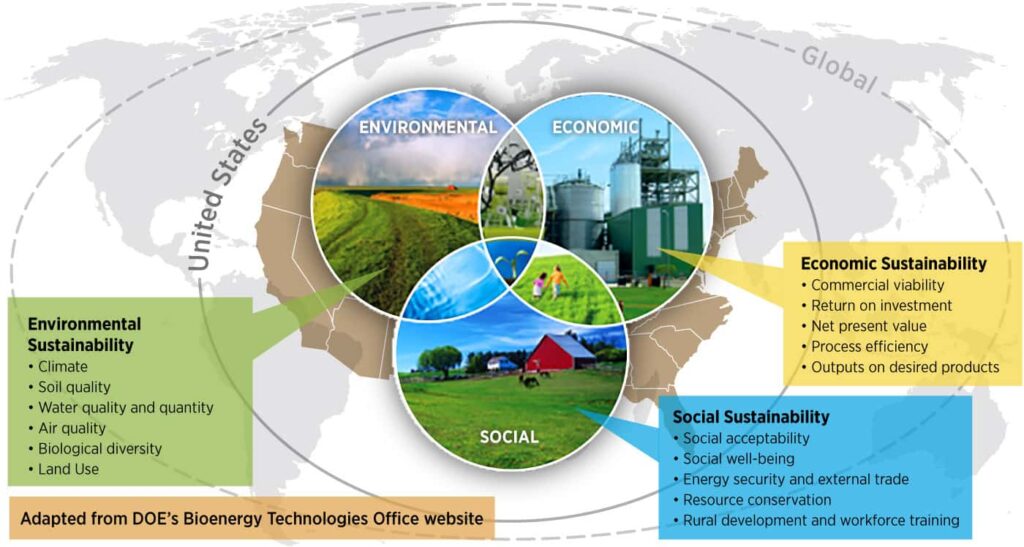
Protecting both the ecological and technological forms of Chliphot requires international cooperation. Conservation efforts aim to preserve the natural habitats where biological Chliphot thrives, while scientific communities work together to advance Chliphot-based innovations. Governments, NGOs, and researchers are forming global partnerships to fund research, establish environmental guidelines, and ensure responsible development. Through these collaborative efforts, Chliphot has the potential to become a symbol of sustainable progress, bridging the gap between environmental stewardship and cutting-edge energy solutions.
Frequently Asked Question:
1. What is Chliphot?
Chliphot is a term used to describe a hidden cultural destination, a unique ecological organism, and an emerging green technology. Depending on the context, it may refer to a travel-worthy heritage site, a vital part of a biodiversity ecosystem, or a photosynthesis-inspired energy innovation.
2. Is Chliphot a real place or just a concept?
Chliphot can refer to a lesser-known location rich in culture and history, often highlighted as a hidden gem by travelers. While its exact geographical coordinates are sometimes kept vague to preserve its charm, it is portrayed as a real destination with authentic traditions, landmarks, and ecological importance.
3. How does Chliphot technology work?
Chliphot technology mimics the natural process of photosynthesis using advanced nanomaterials. It absorbs a broad spectrum of light—including UV and infrared—and converts it into usable energy with high efficiency, even in low-light environments.
4. What makes Chliphot more efficient than traditional solar panels?
Chliphot systems are capable of capturing and converting a wider range of light wavelengths than traditional photovoltaic cells. They can operate in cloudy or shaded conditions and are less affected by low-light scenarios, making them more reliable and efficient year-round.
5. Is Chliphot important for the environment?
Yes, Chliphot plays a crucial role in both technology and nature. Ecologically, it helps maintain biodiversity and nutrient cycling. Technologically, it offers a cleaner, more sustainable alternative to fossil fuels, supporting global green energy goals.
6. Where is Chliphot used or found?
As a location, Chliphot is portrayed in travel guides and cultural explorations. In ecology, Chliphot exists in biodiverse regions such as forests or wetlands. In technology, Chliphot applications are found in experimental solar grids, greenhouses, medical research, and even space systems.
7. What are the challenges facing Chliphot today?
Chliphot faces habitat loss, pollution, and climate change as an ecological entity. As a technology, its challenges include high production costs, scalability issues, and limited public awareness. Conservation and innovation are key to overcoming these obstacles.
8. Is Chliphot eco-friendly?
Absolutely. Whether viewed as a biological species or a renewable energy solution, Chliphot supports sustainability. It promotes biodiversity in nature and clean energy in technology, aligning with eco-conscious values and green practices.
9. Can Chliphot technology be used at home?
Yes, as the technology matures, Chliphot systems could be integrated into smart homes, windows, portable chargers, and wearable devices. It offers potential for everyday clean energy use once it becomes more commercially accessible.
10. How can I support or get involved with Chliphot?
You can support Chliphot by engaging in responsible eco-tourism, donating to conservation efforts, or participating in renewable energy initiatives. Scientists, students, and tech enthusiasts can also contribute to ongoing research and innovation related to Chliphot technology.
Conclusion:
Chliphot stands as a rare convergence of heritage, ecology, and innovation—bridging the wisdom of ancient cultures, the resilience of natural ecosystems, and the promise of cutting-edge green technology. Whether experienced as a hidden cultural site, observed as a vital ecological organism, or implemented as a futuristic energy solution, Chliphot exemplifies how interconnected our world truly is.
As awareness grows and conservation efforts strengthen, Chliphot could inspire a global shift toward sustainability—one that respects tradition, supports biodiversity, and embraces eco-friendly innovation. The journey of Chliphot is far from over; in fact, it’s just beginning.
Read More: