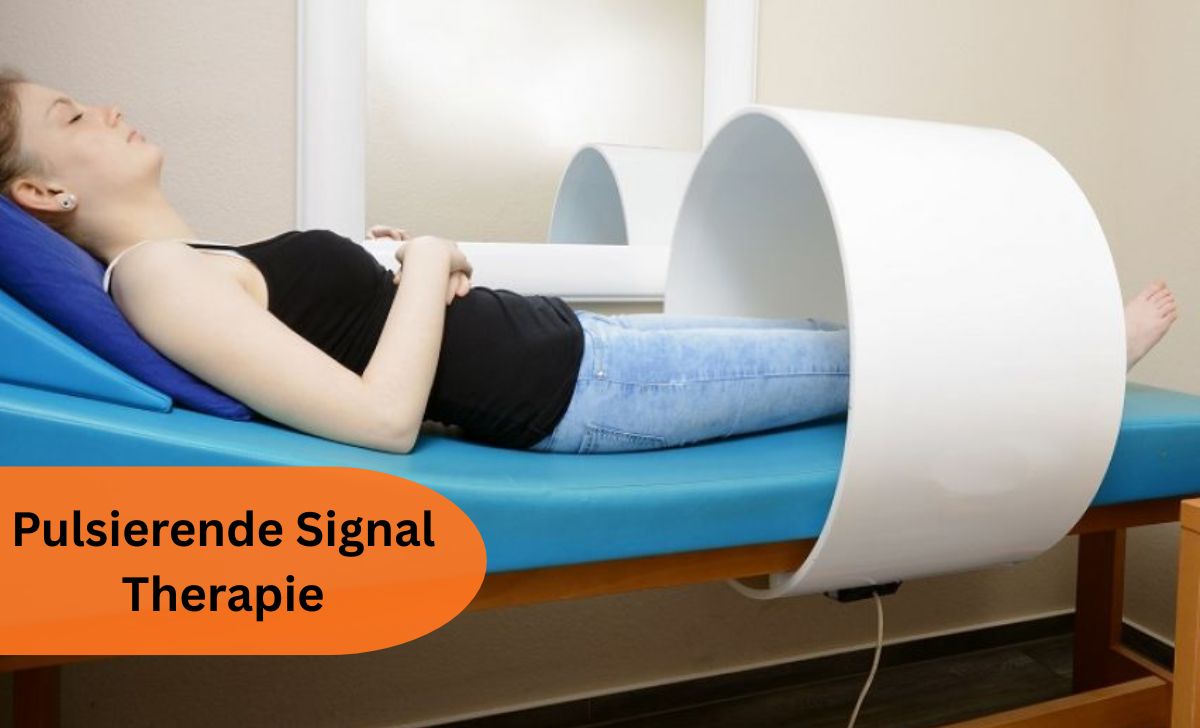
Pulsierende Signal Therapie (PST) is an innovative, non-invasive treatment that uses pulsed electromagnetic signals to naturally stimulate the healing of joints and soft tissues.
Widely used in Europe, especially for arthritis and sports injuries, PST helps activate the body’s own repair mechanisms without surgery or medication.
This painless therapy supports cartilage regeneration, reduces inflammation, and improves joint mobility. It offers an effective, drug-free alternative for those seeking long-term relief from chronic pain.
Pulsierende Signal Therapie is a non-invasive treatment using pulsed electromagnetic signals to stimulate the body’s natural healing process. It helps reduce joint pain, supports cartilage regeneration, and improves mobility without surgery or medication.
In This Article We Discuss the “Pulsierende Signal Therapie”
What Is Pulsierende Signal Therapie (PST)?
Pulsierende Signal Therapie (PST) is an advanced, drug-free therapy that uses pulsed electromagnetic signals to stimulate the body’s natural healing process.
It targets damaged joints, cartilage, and soft tissues by sending pain-free signals that mimic natural joint movement.
PST is non-surgical and widely used in Europe, especially for chronic joint conditions. It is suitable for patients seeking long-term relief without medication or invasive procedures.
How Does Pulsierende Signal Therapie Work?
PST works by delivering low-frequency electromagnetic pulses to the affected area through a special device. These signals stimulate the regeneration of cartilage and connective tissues by activating the cells responsible for healing.
The therapy enhances blood flow, improves oxygen supply, and boosts cellular metabolism. As a result, pain decreases while joint mobility improves over time.
Scientific Principles Behind PST
PST is based on the principle that living cells respond to bioelectrical signals. Research shows that damaged cartilage can reactivate and regenerate when exposed to specific pulsed electromagnetic fields.
These signals trigger the release of growth factors and repair proteins in the joint area. Unlike passive pain relief methods, PST works on a cellular level to repair the source of the problem.
Who Can Benefit from Pulsierende Signal Therapie?
PST is ideal for patients suffering from osteoarthritis, chronic joint pain, cartilage degeneration, or sports-related injuries. It’s especially useful for individuals who are not good candidates for surgery or who prefer a more natural treatment.
Elderly patients, athletes, office workers, and physically active individuals have all benefited from PST. It also serves as a preventative treatment for early joint wear.
Top Medical Conditions Treated with PST
This therapy is commonly used to treat conditions like knee osteoarthritis, hip joint degeneration, spinal disc problems, tendon inflammation, and shoulder or elbow pain. It’s also effective in relieving stiffness, swelling, and limited range of motion.
PST is highly recommended for early to moderate-stage joint disorders. Some patients also use it as a post-surgical rehabilitation tool.
Step-by-Step Process of a PST Session
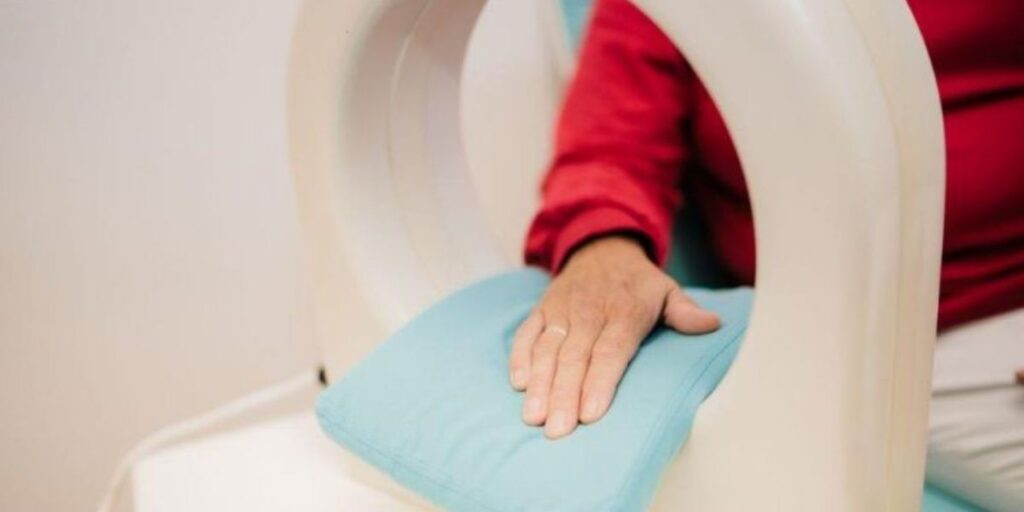
A typical PST session involves placing the affected joint (like a knee or wrist) into a specially designed electromagnetic coil. The device sends pulsed signals for around 60 minutes while the patient relaxes in a seated or lying position.
The process is completely painless and does not require any physical effort. Patients can resume normal activities immediately after the session.
How Many Sessions of PST Are Typically Required?
Most treatment plans include 9 to 12 sessions over a two to three-week period. Sessions are usually performed daily or every other day, depending on the severity of the condition.
While some patients feel relief after just a few sessions, full results are generally seen a few weeks after completing the full course. Booster sessions may be recommended in chronic cases.
Is PST a Safe and Painless Treatment Option?
PST is widely considered safe and has been used for over 25 years without major complications. It is completely painless; no needles, drugs, or surgical tools are involved. Most patients report a pleasant, calming experience during the session.
The therapy is also suitable for older adults and those with sensitive medical conditions (except for a few exceptions like pacemakers).
Comparing PST with Other Joint and Pain Therapies
Unlike painkillers or cortisone injections, PST doesn’t just mask the symptoms; it promotes actual healing. Compared to surgery, it is non-invasive, low-risk, and requires no downtime.
Physiotherapy often complements PST, but PST can provide relief even when other therapies fail. It’s a natural alternative for those looking to avoid long-term medication use.
Long-Term Benefits of Pulsierende Signal Therapie
PST provides long-lasting relief from joint stiffness and chronic pain by addressing the root causes. Many patients report results that last for 6 to 12 months or more.
Improved flexibility, better movement, and reduced dependency on pain medication are common outcomes. With regular maintenance, some patients are able to prevent further joint deterioration.
PST for Osteoarthritis and Cartilage Regeneration
Osteoarthritis causes cartilage to break down, leading to joint pain and reduced function. PST helps regenerate this cartilage by stimulating the growth of essential components like collagen and proteoglycans.
Over time, joints become smoother and more mobile. Patients often notice a significant reduction in swelling and discomfort after completing the treatment.
Using PST for Sports Injuries and Muscle Recovery
Athletes and active individuals benefit from PST for ligament strains, overuse injuries, and joint inflammation. It accelerates tissue repair and reduces downtime between training or competition.
Because it is non-invasive, it can be used alongside other rehabilitation programs. PST helps prevent chronic injury by strengthening tissues at the cellular level.
What to Expect After PST Therapy
After treatment, most patients begin to feel a gradual decrease in pain and stiffness over the next few weeks. Some may experience a slight tingling or a relaxed feeling immediately after a session.
The full benefits typically become visible within 2 – 4 weeks after completing all sessions. There is no recovery period or physical limitation required after PST.
Side Effects and Contraindications of PST
PST is well-tolerated, but in rare cases, mild fatigue, slight dizziness, or a tingling sensation may occur. It is not suitable for pregnant women, patients with pacemakers, or those with severe heart rhythm disorders.
It’s essential to consult with a medical professional before beginning treatment to ensure it is safe for your condition.
What Do Doctors Say About Pulsierende Signal Therapie?
Many physicians, especially in Germany, Austria, and Switzerland, view PST as an effective addition to joint care. It is commonly used in orthopedic, sports medicine, and rehabilitation clinics.
While not a replacement for surgery in advanced cases, it’s praised for its ability to reduce pain and restore function naturally. Some doctors recommend it as a first step before considering invasive treatments.
Success Stories and Patient Testimonials
Patients across Europe have shared positive experiences, reporting reduced joint pain, improved daily function, and avoidance of surgery. Elderly individuals often mention better mobility, while athletes credit PST for faster injury recovery.
These success stories highlight the real-world effectiveness of PST in treating various joint conditions.
How Much Does Pulsierende Signal Therapie Cost?
The cost of PST varies by country and clinic but typically ranges from €450 to €900 for a complete treatment package (9–12 sessions). Some clinics offer payment plans or package deals.
While it may seem like a high upfront cost, many patients consider it a worthwhile investment compared to long-term medication or surgery.
Is PST Covered by Health Insurance?
In most countries, public health insurance does not cover PST. However, some private insurance companies may partially reimburse treatment costs. Always check with your insurer or the clinic beforehand to confirm eligibility.
In some cases, clinics can provide a medical justification letter to support your insurance claim.
Where to Find Certified PST Clinics Near You

PST is offered in specialized physiotherapy and orthopedic clinics, particularly in Germany, Austria, Switzerland, and increasingly in other parts of Europe.
Always ensure that the clinic uses certified PST devices and trained professionals. You can search online directories or contact local medical centers for referrals.
FAQs
1. What is Pulsierende Signal Therapie?
Pulsierende Signal Therapie (PST) is a non-invasive treatment using pulsed electromagnetic signals to stimulate natural healing in joints and tissues. It helps reduce pain, inflammation, and supports cartilage regeneration without surgery or medication.
2. How does Pulsierende Signal Therapie work?
PST delivers controlled electromagnetic pulses to damaged joints, activating the body’s cells to repair cartilage and connective tissues. These signals improve blood flow and cellular metabolism, promoting faster healing and pain relief.
3. Who can benefit from Pulsierende Signal Therapie?
People with osteoarthritis, joint pain, cartilage damage, or sports injuries can benefit from PST. It’s suitable for all ages, especially those seeking a natural, drug-free therapy without invasive procedures.
4. Is Pulsierende Signal Therapie safe?
Yes, PST is considered safe and painless with minimal side effects. It does not involve surgery or drugs, making it a low-risk option. However, people with pacemakers or pregnant women should avoid this therapy.
5. How many sessions are needed for effective treatment?
Typically, 9 to 12 sessions are recommended, each lasting about 45 to 60 minutes. Most patients notice improvement after a few sessions, but full benefits develop a few weeks post-treatment.
6. Can Pulsierende Signal Therapie help with arthritis?
Yes, PST is effective in reducing arthritis pain by stimulating cartilage regeneration and reducing inflammation. It helps improve joint mobility and slows down cartilage degradation in early to moderate arthritis.
7. Are there any side effects of Pulsierende Signal Therapie?
Side effects are rare but can include mild tingling or fatigue after sessions. Most patients tolerate the treatment well. It is important to consult a doctor if you have heart conditions or implants.
8. How does PST compare to other joint treatments?
Unlike painkillers or surgery, PST promotes actual tissue healing naturally and non-invasively. It offers longer-lasting relief and fewer risks, making it an attractive alternative for chronic joint problems.
9. Where can I get Pulsierende Signal Therapie?
PST is available in specialized clinics, mainly in Germany, Austria, and Switzerland. Some international clinics have also started offering this therapy. Always ensure the clinic uses certified PST equipment.
10. Is Pulsierende Signal Therapie covered by insurance?
In most cases, public health insurance does not cover PST, but some private insurers may partially reimburse it. It’s best to check with your insurance provider before starting treatment.
Conclusion
Pulsierende Signal Therapie presents a safe and natural option for anyone struggling with joint pain, arthritis, or tissue injuries. By promoting the body’s self-healing at the cellular level, PST offers lasting pain relief and improved mobility without invasive procedures.
Many patients experience noticeable improvements after a full treatment course, making PST a promising choice for sustainable joint health. Consult a healthcare professional to determine if PST is right for your needs.
Read more