I was duped into believing we were purchasing a car when I went to Trails Carolina. I still get nightmares, and I feel like I’m stuck there once more.
Trails Carolina horror stories describe alleged abuse, neglect, and even death at the wilderness therapy camp. Survivors report trauma from mistreatment and unsafe conditions.
In this article we discuss about “Trails carolina horror stories”
Table of Contents
Introduction, Behind the Marketing Mask:
At first glance, Trails Carolina appeared to be a reputable wilderness therapy camp in Transylvania County, North Carolina. Promising structured outdoor therapy and emotional healing for troubled youth, it drew hundreds of families desperate for help. But behind the serene setting and high tuition costs—up to $715 per day—lay a system riddled with neglect, trauma, and tragedy.

Over the past few years, former campers have broken their silence, revealing disturbing stories of starvation, abuse, illegal restraints, and even death. These stories—once whispered in survivor communities—have now reached the public eye through lawsuits, news coverage, and social media exposés.
The Death That Exposed Trails Carolina:
12-Year-Old Boy’s Death Ruled a Homicide:
In February 2024, a 12-year-old boy died at Trails Carolina while in a restrictive bivy sack, a lightweight tent used for solo hiking. The autopsy revealed smothering, and his death was ruled a homicide. This shocking case triggered investigations by the North Carolina Department of Health and Human Services (DHHS), leading to the revocation of the camp’s license.
The tragedy wasn’t the first. Alec Lansing, another camper, passed suddenly in 2014 after escaping Trails Carolina. Staff frequently cite his broken hip and hypothermia as a warning to discourage escape attempts.
Monroe Nichols, A Survivor’s Story:
Tricked Into Therapy:
In her final year of high school, Monroe Nichols, a former camper, was transferred to Trails Carolina to receive treatment for anxiety and despair. She was misled by her parents when they said they were going to provide her sister with an automobile. Monroe was instead dropped off at Trails.
Nichols said, “I have nightmares that I’m still there.” “It seems like it happened three years ago, but it was only a week ago.”
Dehumanizing Living Conditions:
1. Food Restrictions and Malnutrition:
Nichols and fellow campers were served measured portions—2 cups of rice or quinoa for girls, 3 for boys. The physically demanding hikes left them constantly hungry, with no access to seconds.
- Toothpaste was eaten for sugar
- Fights broke out over apples and oranges
- Campers reportedly lost extreme amounts of weight
“We were punished if we vomited and couldn’t keep food down. I was starving,” Nichols said.
2. Water from Streams and Dirty Bandanas:
Clean drinking water was rare. Campers used sweaty bandanas—also used for hiking and wiping faces—to filter stream water, often resulting in parasites like giardia.
“It looked like iced tea even after filtering,” a former camper said. “At least three people got sick.”
3. Lack of Hygiene and Bathroom Access:
Hygiene was barely maintained:
- Showers were allowed once a week
- No deodorant or proper soap was provided
- Campers developed yeast infections, UTIs, and skin rashes
Because the attendants wouldn’t allow us to use the restroom, we got ourselves soaked. As a punishment, we were then forced to wear the filthy garments,” Nichols clarified.
4. Medical Neglect and Dangerous Staff Inaction:
Many incidents were reported where campers were seriously injured or sick but received no care:
- A camper knocked unconscious was forced to hike afterward
- Another suffered bloody stool, which was dismissed as menstruation
- A girl with an eating disorder was forced to carry full hiking gear
“I injured my chest during a panic attack. They told me to walk it off. I felt pain breathing for weeks.”
5. Use of Restraints, The “Burrito” Method:
Trails staff used illegal restraint tactics, including the infamous “burrito method”:
- Campers were rolled in tarps
- A staff member would lie on top of them overnight
- In some cases, campers were zipped into sleeping sacks without monitoring
This restraint method was linked to the 2024 death and cited by DHHS as grossly unsafe.
6. Psychological and Verbal Abuse:
Nichols and others say Trails wasn’t just physically dangerous—it was emotionally damaging.
- Staff mocked children for crying
- Therapists denied departures, sending campers to worse programs instead
- Campers were told that their trauma was their own fault
According to Nichols, “they told us Trails was designed to break us.” “We were deceived into thinking we were deserving of the suffering.”
Parental Manipulation and Letter Censorship:

Campers weren’t allowed to freely write home. Letters had to be reviewed and rewritten if they described poor conditions. Some were even intercepted.
“I tried writing the truth. They refused to mail it,” Nichols said. “They didn’t want their parents to know.”
Staff reportedly threatened campers with prolonged stays or transfers if they told the truth.
Sexual Assault Allegations and Lawsuits:
Ongoing Lawsuits Against Trails Carolina:
A former camper filed a complaint in February 2024, alleging that she was sexually abused and that unsanitary circumstances caused her to get staph infections, pinworms, and a UTI. Additionally, she charged Trails with failing to protect children and hiding abuse.
“The environment created by Trails Carolina allowed abuse to thrive,” the lawsuit reads.
Staff reportedly knew about previous sexual assault cases and implemented single-tent policies to mitigate risks—without informing new parents.
Industry-Wide Problem, The Troubled Teen Industry:
1. What Is the Troubled Teen Industry (TTI)?
TTI is a loosely regulated system of “behavioral correction programs” for teens. It includes:
- Wilderness therapy camps
- Boarding schools
- Boot camps
Many survivors now expose the abuse, isolation, and manipulation behind these programs.
2. Ties to Abuse Models Like Synanon:
Critics trace wilderness therapy to Synanon, a 1960s cult with abusive group therapy. Tactics like breaking down self-esteem, forced confessions, and isolation were hallmarks—echoed today in camps like Trails.
Financial Incentives and Ethical Concerns:
Kickbacks for Referrals:
Nichols and others allege that educational consultants, therapists, and even hospital staff receive commission or kickbacks for referring children to programs like Trails Carolina.
- Parents may pay $4,000+ for consultant guidance
- Many are misled about the camp’s reputation
- Some believe Trails was “better” due to hidden reviews and branding
“My parents thought they were sending me to the safest program. They were lied to,” Nichols stated.
Long-Term Psychological Damage:
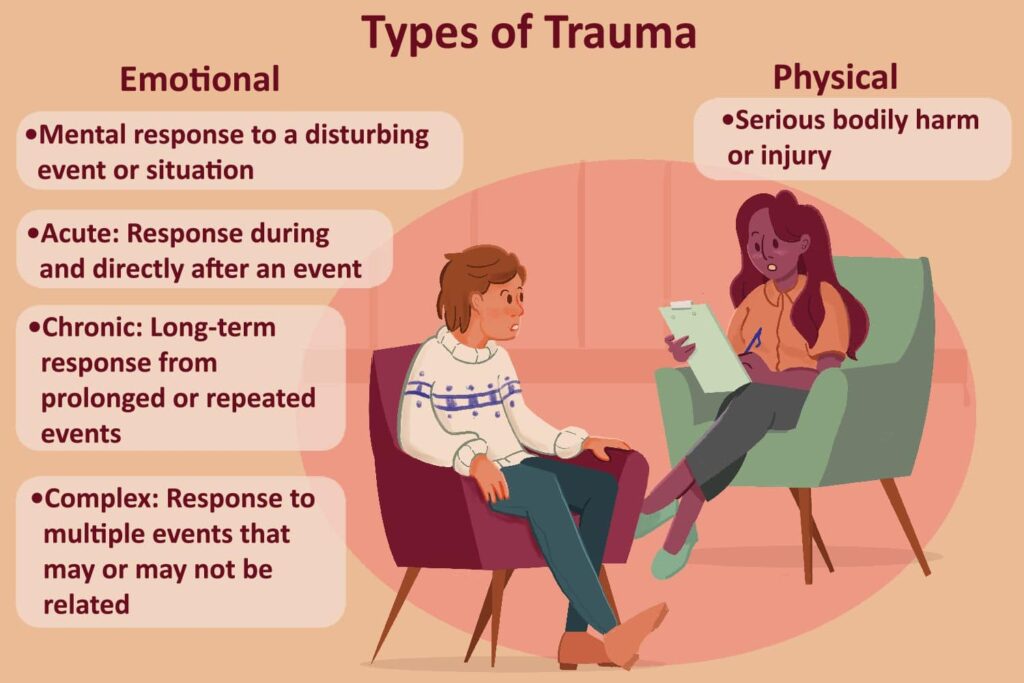
Years later, Nichols continues to suffer:
- Diagnosed with PTSD
- Suffers from panic attacks and paranoia
- Can’t look at certain food brands without breaking down
“I have to emotionally prepare myself before I can even see the Sunkist brand,” she remarked. “I think about Trails Carolina every single day.”
Other campers report:
- Lifelong trust issues
- Fear of authority figures
- Difficulty with relationships and career paths
Frequently Asked Question:
1. What are the most disturbing Trails Carolina horror stories?
The most disturbing horror stories include reports of campers being restrained in tarps overnight, denied medical care, forced to drink unfiltered stream water, and subjected to verbal and psychological abuse. A 12-year-old boy’s death in 2024 was ruled a homicide, highlighting the severity of alleged neglect.
2. Was Trails Carolina shut down?
Yes. Trails Carolina had its license revoked in 2025 by the North Carolina Department of Health and Human Services following a camper’s death and multiple reports of abuse, neglect, and illegal restraint methods.
3. What happened to the 12-year-old boy at Trails Carolina?
A 12-year-old child passed away in February 2024 as a result of being incorrectly restrained in a bivvy sack. It was determined to be a homicide when the autopsy showed that suffocation was the cause of death. Trails Carolina was shut down as a result of this occurrence.
4. Are the Trails Carolina abuse allegations true?
Numerous former campers have come forward with persistent, reliable reports of abuse, malnourishment, filthy surroundings, and psychological trauma while legal investigations are still underway. State authorities have issued official citations and launched a number of lawsuits.
5. How did Trails Carolina treat mental health issues?
According to former campers, Trails Carolina often used shame-based tactics, physical isolation, and emotional manipulation rather than evidence-based therapy. Campers with anxiety, depression, or eating disorders were reportedly punished or neglected instead of supported.
6. Is wilderness therapy dangerous for teens?
If wilderness therapy is not adequately regulated, it may be harmful. Programs like as Trails Carolina, which functioned with little control, have been connected to fatalities, severe injuries, and psychological distress. While many outdoor programs include similar hazards, not all of them are abusive.
7. What legal actions have been taken against Trails Carolina?
Several lawsuits have been filed, including claims of sexual assault, neglect, and unsanitary living conditions. In addition, the North Carolina DHHS cited Trails Carolina for numerous safety violations and ultimately revoked its operating license in 2025.
8. Why did parents send their children to Trails Carolina?
Many parents were misled by educational consultants, promotional materials, and trusted professionals who recommended the camp. Some later realized that the facility concealed abuse and manipulated both parents and children into compliance.
9. Are there other camps like Trails Carolina still operating?
Yes. Trails Carolina was part of a broader network known as the “troubled teen industry.” Many similar programs still operate in the U.S. with limited regulation. Advocacy groups are pushing for reform and increased oversight.
10. What support is available for Trails Carolina survivors?
Organizations like Breaking Code Silence and Unsilenced provide support, advocacy, and legal resources for survivors of abusive teen programs. Many survivors also share their stories on social media and forums to raise awareness and connect with others.
Conclusion:
The horror stories emerging from Trails Carolina paint a devastating picture of a wilderness therapy program that promised healing but delivered trauma. From reports of starvation, medical neglect, and emotional abuse to the tragic death of a 12-year-old camper, the camp’s true nature has been exposed through survivor testimonies, lawsuits, and government action. While Trails Carolina has since been shut down, its legacy remains a stark reminder of the dangers within the troubled teen industry. As awareness grows, it is vital for parents, lawmakers, and advocates to push for transparency, regulation, and justice for those who suffered in silence.
Read More: